Contact Us
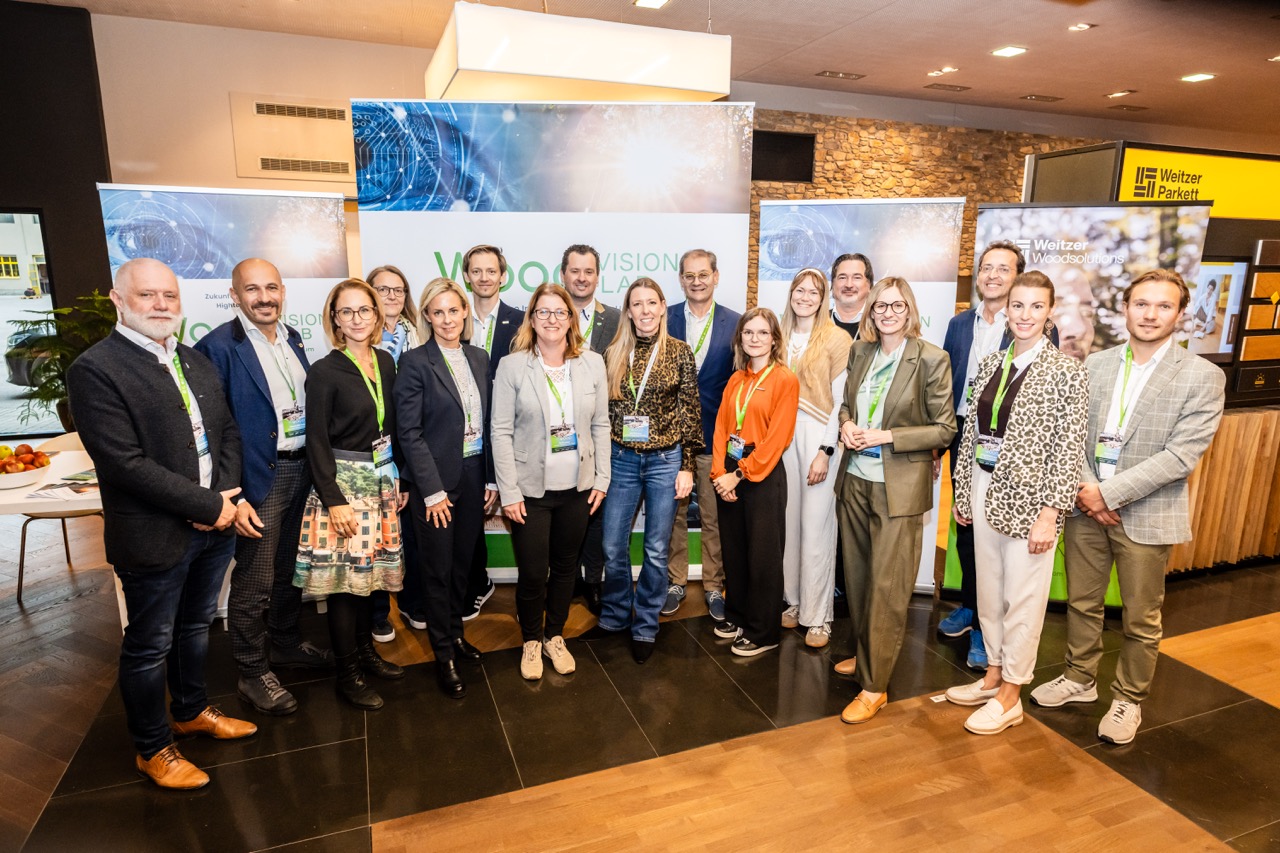


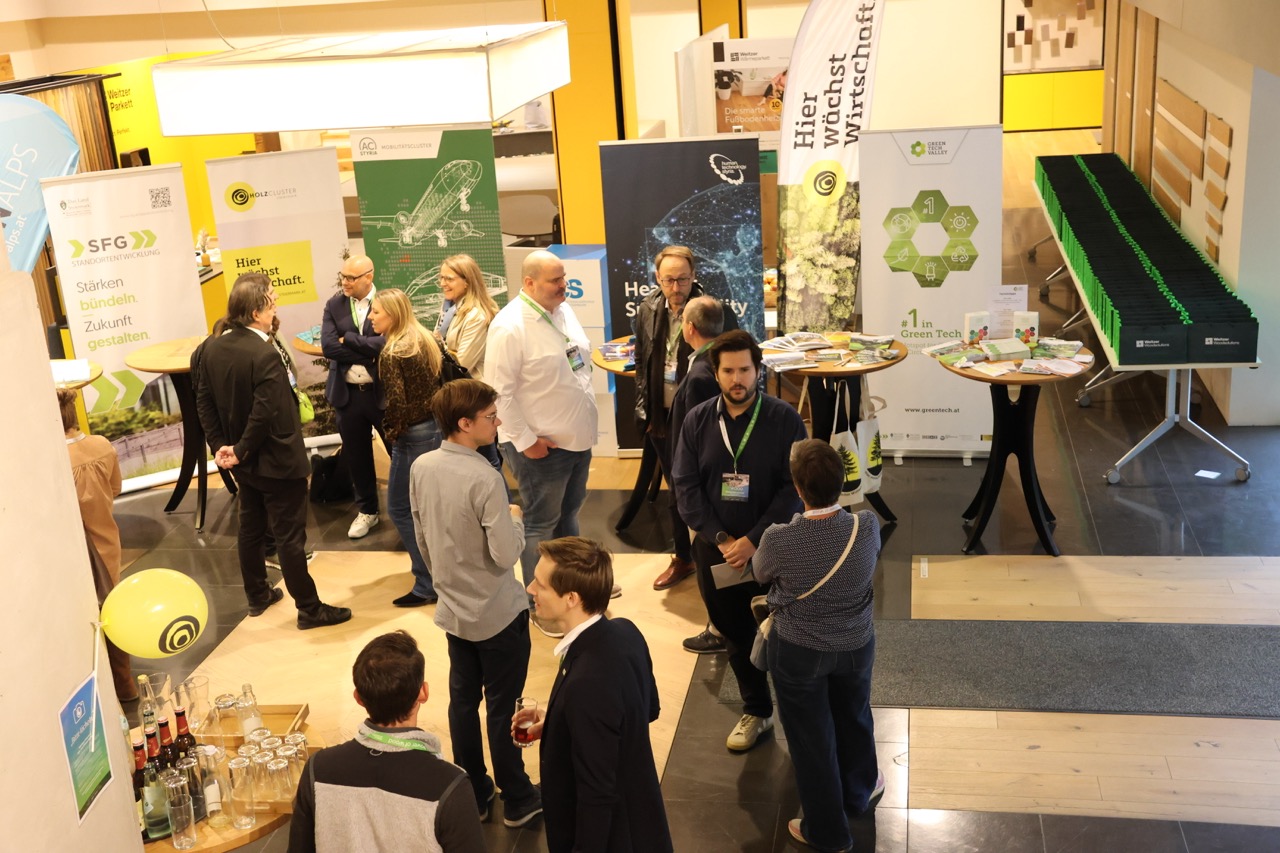
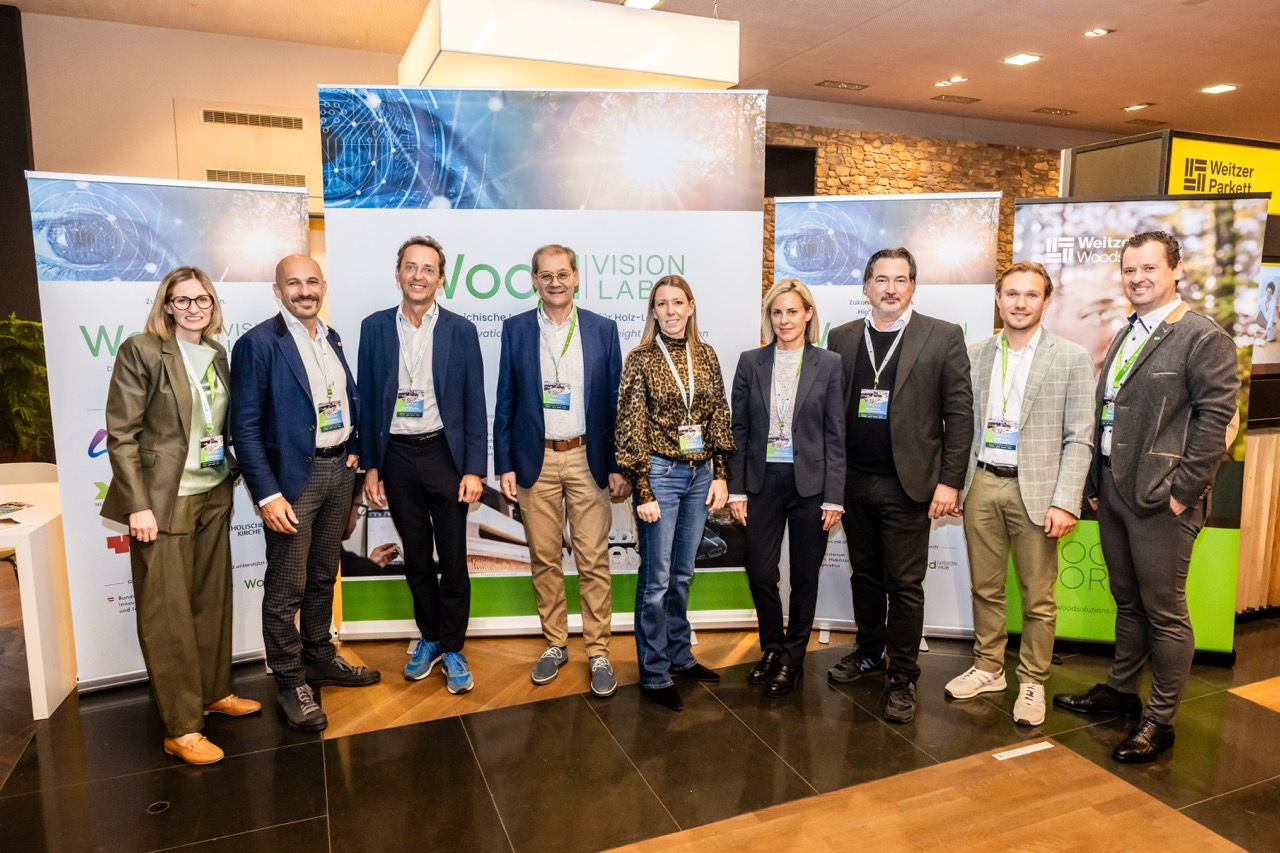
Wood can do much more than serve as a traditional construction and industrial material. The event “The Power of Wood – Future. Innovation. High-Tech Wood” on October 21, 2026, at Weitzer Woodsolutions in Weiz demonstrated the possibilities this raw material offers for mobility, industry, and new energy and logistics solutions.
Representatives from business, research, industry, politics, and the Styrian cluster landscape discussed how wood can be used industrially as a CO₂ reservoir and high-performance lightweight material, and what opportunities this creates for Styria as a business location.
Wood Vision Lab: From Research to Industrial Application
The Wood Vision Lab in Weiz plays a central role in this. As a “one-stop shop” for wood and wood-hybrid materials in lightweight construction, it bundles research, development, pilot plant facilities, knowledge transfer, and networking. The goal is to support companies from the initial idea to industrial implementation.
This is based on more than ten years of research and development work. The “Wood C.A.R.” project resulted in, among other things, beech material cards, digital twins, and demonstrators such as a wooden side impact beam.
Starting in autumn 2027, the Wood Vision Lab is also set to grow physically: a new building of more than 2,000 square meters with office and networking spaces, event rooms, and a modern pilot plant is being built in Weiz.
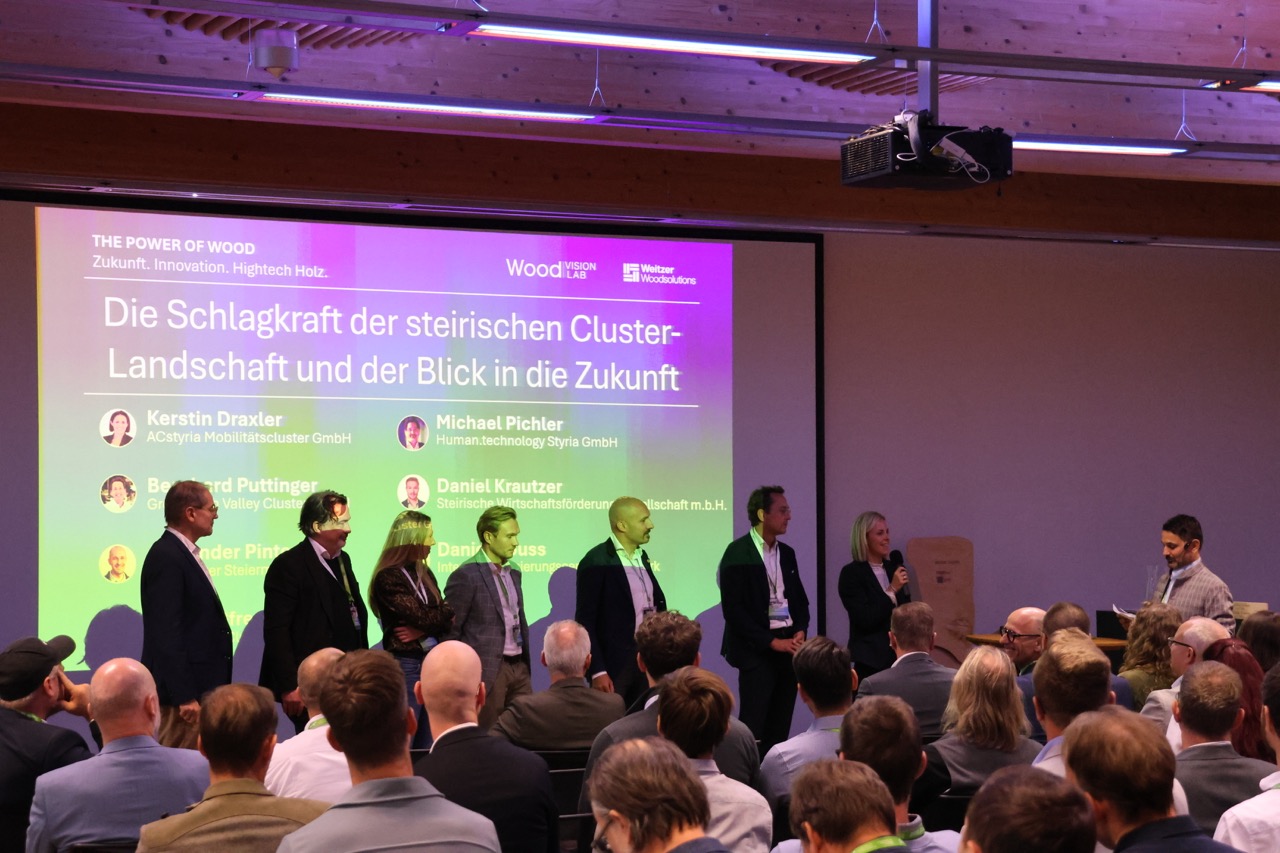
The exchange between the Styrian cluster organizations demonstrated how crucial cooperation across industry and technology boundaries is.
Represented were the Holzcluster Steiermark, ACstyria Mobility Cluster, Green Tech Valley, Human.technology Styria, Silicon Alps, the Internationalization Center Styria (ICS), and the SFG. Christiane Varga addressed this idea in her keynote “The Future Grows Where New Things Are Connected.”
Practical examples from Siemens Mobility, Daimler Truck, and FB Industry Automation showed that wood-hybrid solutions are not just objects of research. The presented applications made clear the potential wood has in areas such as mobility and rail transport, as well as in decarbonization and resource efficiency.
From Styrian Innovative Strength to International Opportunities
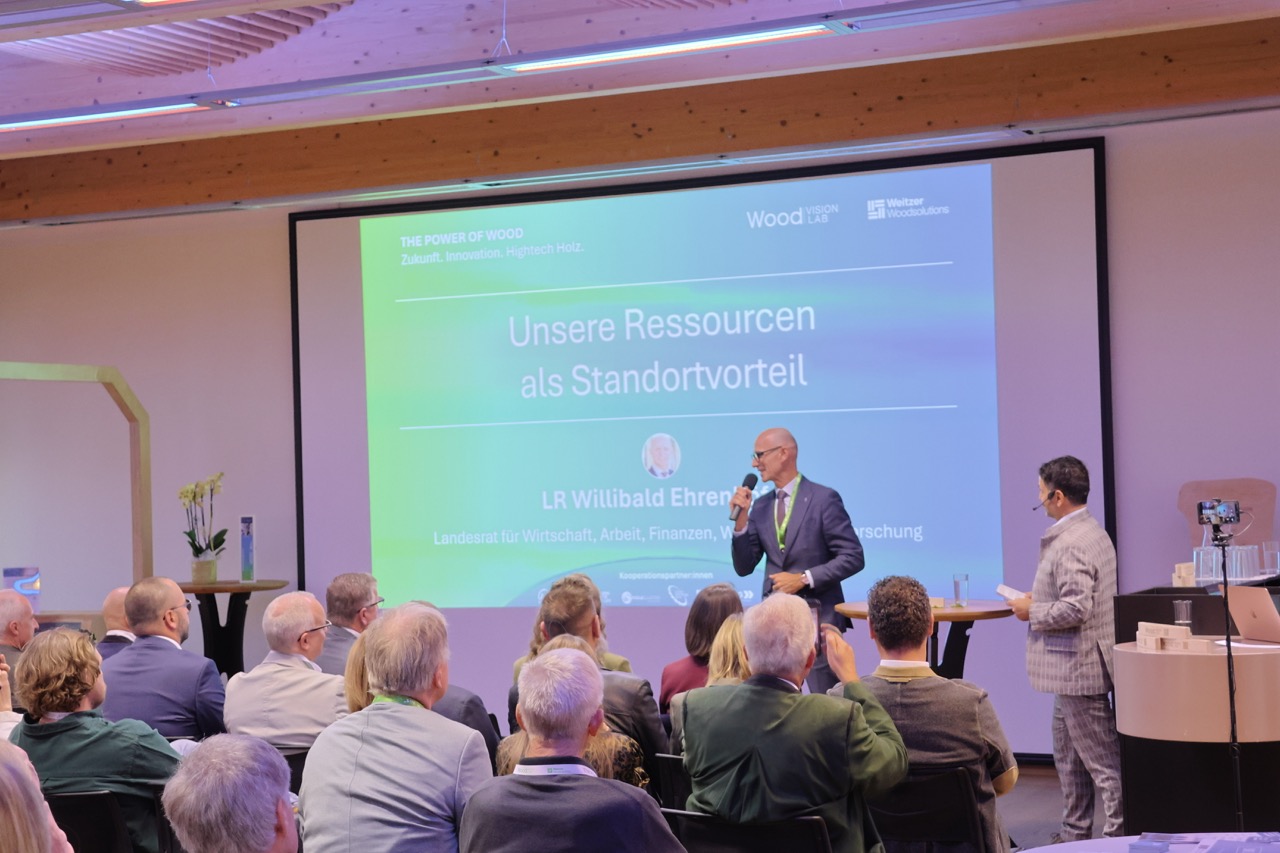
Regional Councilor Willibald Ehrenhöfer emphasized the importance of wood for the business location and regional value creation.
For the Internationalization Center Styria, the Wood Vision Lab is also an example of how regional technological competence can be linked with international markets. This is precisely where the opportunity lies for Styria: bundling existing expertise, developing new industrial applications, and creating solutions that are also in demand internationally. The Wood Vision Lab creates an interface for this between research, companies, and the market, thereby strengthening Styria’s position in bio-based technologies.