
23. January 2026 Technology & AI

That was the AI Summit Export 2026!

Artificial intelligence as a lever for international market success

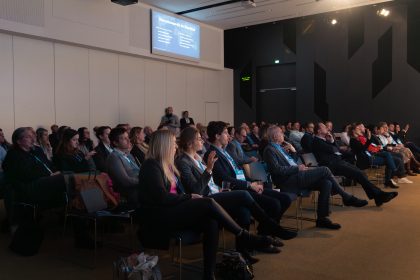
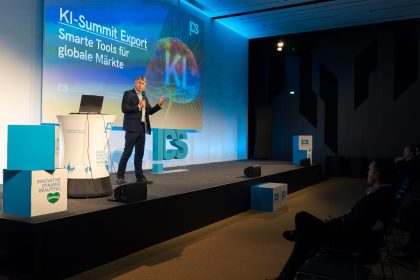
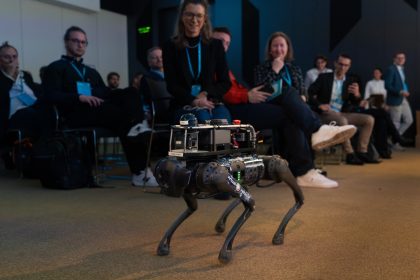
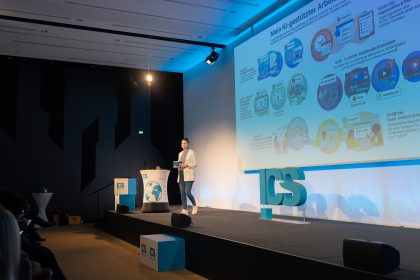
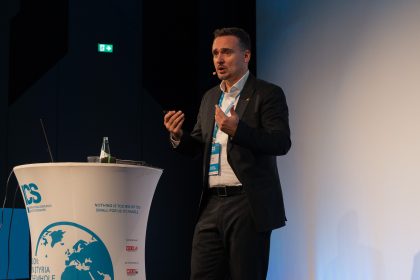
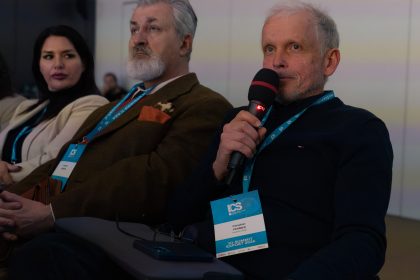
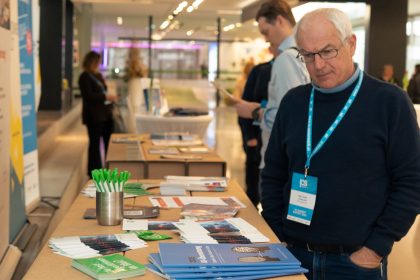
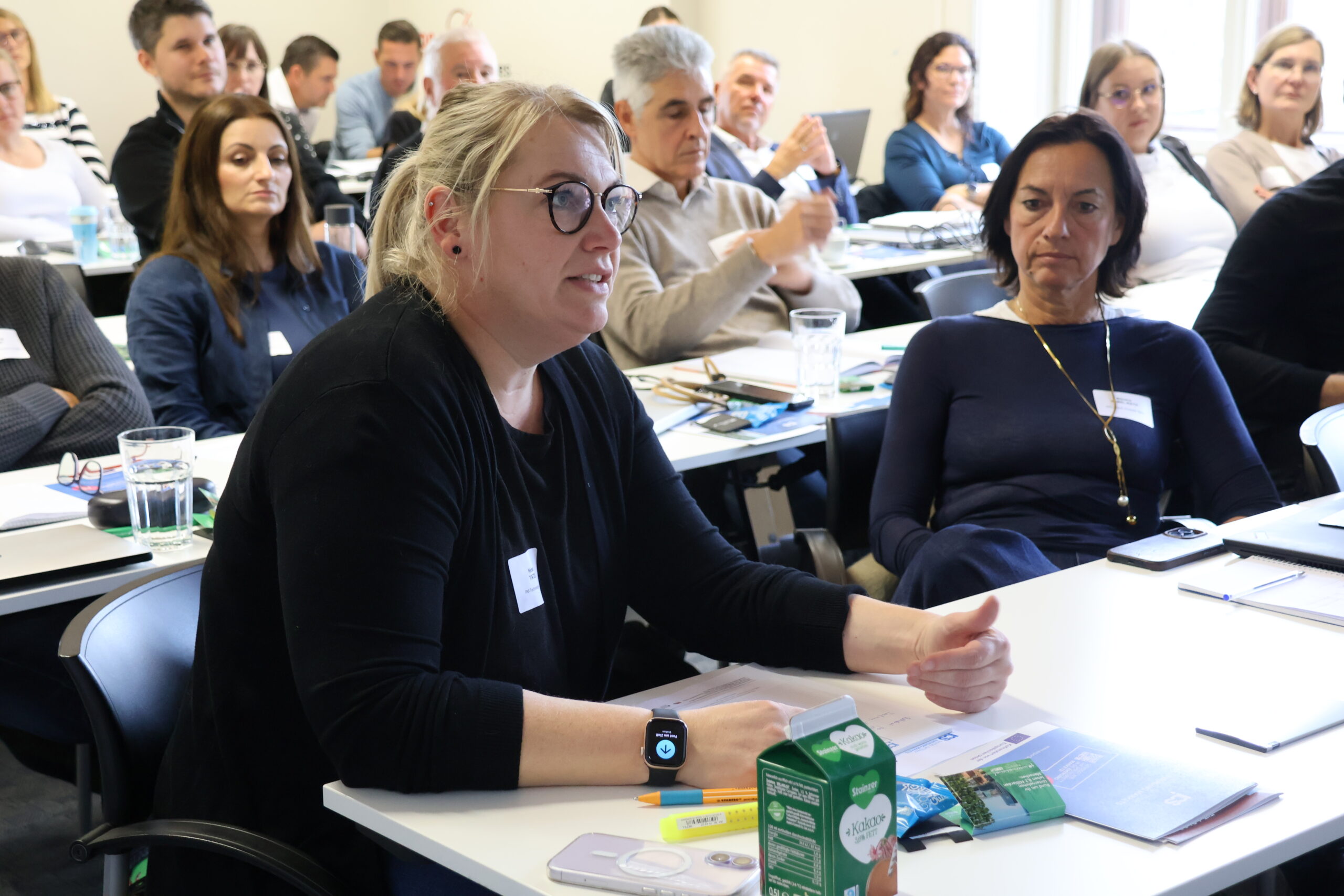
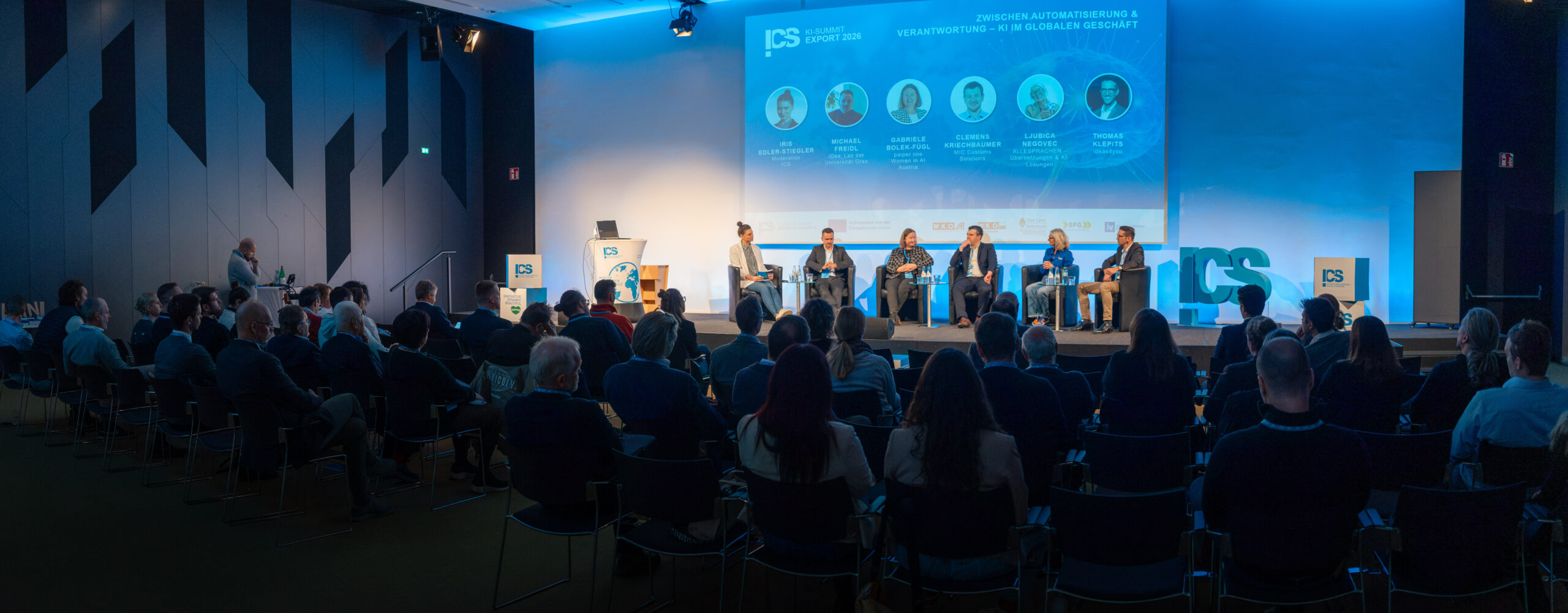
How can artificial intelligence be used strategically for international market entry – and where are its limits? This key question drew around 80 Styrian exporters to the AI Summit Export at WKO Styria on January 21, 2026. The ICS deliberately focused on practical, hands-on input: not a theoretical vision of the future, but concrete tools, workflows, and methods that can be implemented directly in day-to-day business.

Generative AI as a “friendly helper” – with clear rules of the game

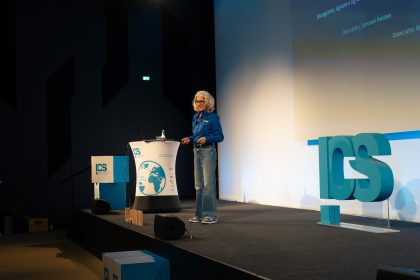
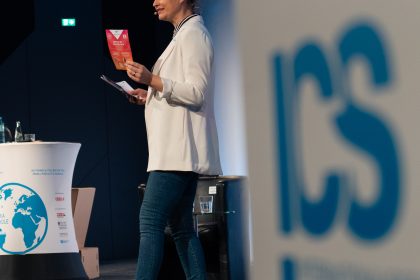
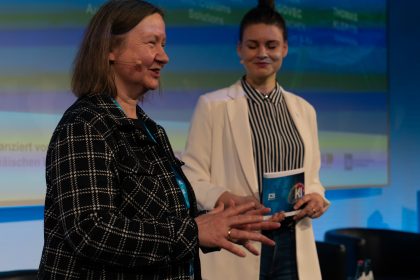
The event was opened by ICS AI expert and summit moderator Iris Edler-Stiegler with her keynote “AI-mazing Workflow.” Her central thesis: generative AI can dramatically accelerate marketing and strategy processes – provided that critical thinking and human oversight remain firmly in place. AI is a “friendly helper,” she stressed, but never a substitute for entrepreneurial responsibility. This principle ran through the entire day like a common thread.

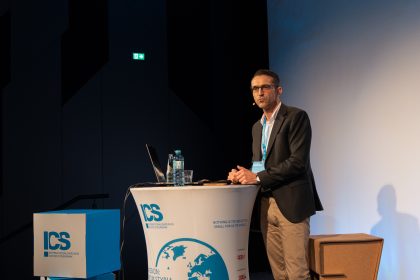
Michael Freidl, Chief Data Officer at the University of Graz, demonstrated with uniGPT how this principle can be put into institutional practice: the university has created a protected environment in which staff can use language models without compromising IT security or data protection – a model that also sets standards for export-oriented companies.

Linguistic precision in export: AI bears no liability

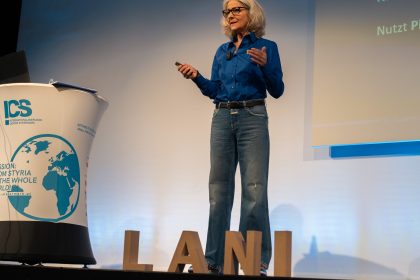
The point was driven home especially by Ljubica Negovec, head of ALLESPRACHEN and active in the international translation business for over 35 years. Her message: contracts, product documentation, and legally relevant texts require absolute linguistic precision – an area where AI can assist but can never act on its own responsibility. With the platform LANI, her team has developed a system that systematically post-edits AI-generated texts. Her appeal to companies was unmistakable: AI is never liable. If something goes wrong, the company bears 100% of the responsibility.

Autonomous agents in customs: efficiency meets traceability

Clemens Kriechbaumer and Maximilian Sandberger of MIC Customs Solutions, the global market leader in customs software, offered an in-depth look at AI-powered export logistics. They develop Agentic AI – autonomous AI agents that automate customs processes and goods classification by combining text and image analysis. The particular challenge: achieving maximum efficiency while maintaining traceability and data sovereignty – especially given international requirements across more than 55 countries. Their approach shows how regulatory complexity can be managed through intelligent technology without relinquishing control.

Market analysis in minutes instead of months

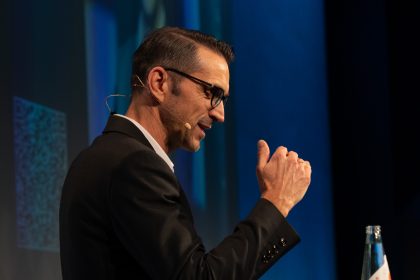
Thomas Klepits (ideas4you) uses a 12-step prompt plan to shorten classic market entry analyses from weeks to just a few hours. His system quickly delivers solid foundations – but his central insight remains: AI provides options; management makes the decision. This shifts the bottleneck from the information-gathering process to strategic evaluation and final oversight – a shift that requires new competencies within the company.

Ethics, governance, and the question of bias

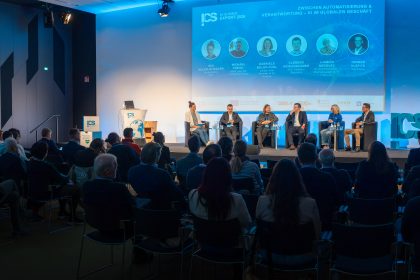
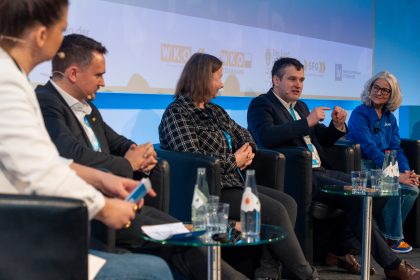
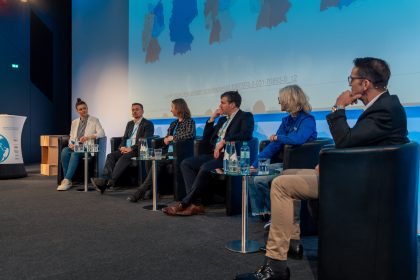
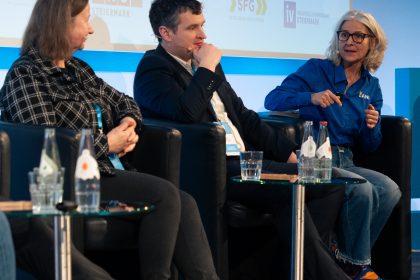
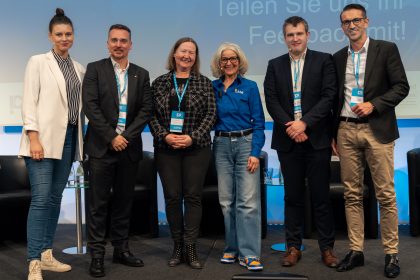
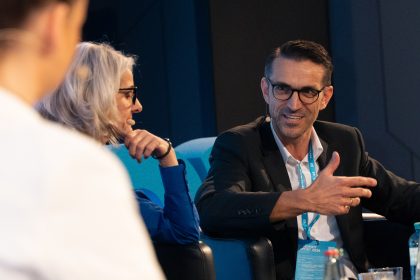
The closing panel discussion brought the technical insights to a societal level. Gabriele Bolek-Flügl, founder of PaiperOne and an expert in AI governance with over 25 years of IT compliance experience, discussed with the speakers issues of bias in training data, legal frameworks, and corporate responsibility in global AI deployment. The key takeaway: technological possibilities must be accompanied by clear governance structures – especially in an international context, where different legal systems and cultural norms intersect.

Conclusion: The AI Summit Export 2026 made it clear that the key question is no longer whether AI should be used in export, but how. The balance between efficiency gains and responsibility, between automation and human oversight, between speed and precision is becoming the decisive competitive factor. Companies that strike this balance gain measurable advantages – those that ignore it risk not only mistakes but personal liability as well.

This event was funded through the project DiGEM – Digital Gateway Emerging Markets. DiGEM is co-financed via the SFG Styrian Business Promotion Agency with funds from the European Regional Development Fund (ERDF).

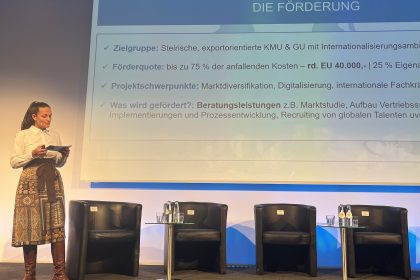
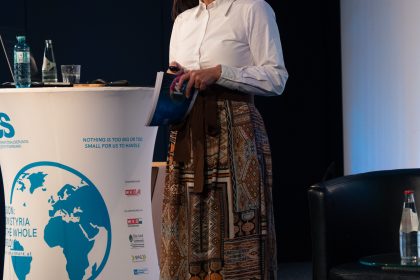
Lisa-Maria Katholnig, project manager for DiGEM, presented the new funding program at the summit, through which we support Styrian, export-oriented companies in market entry and expansion, as well as in digitalization and skilled labor initiatives, in dynamic growth markets around the globe.

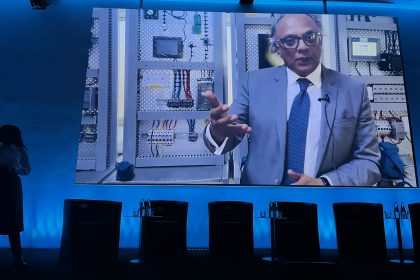
In her pitch, she connected live to one of these emerging markets in Kenya – to Kevit Desai, founder and owner of Centurion Systems Ltd. and one of the leading figures in Industry 4.0, IoT, systems integration, robotics, and automation.

He showed what role AI already plays in business in Kenya and where this creates business opportunities for Styrian companies.
The AI Summit also featured the premiere of the ICS’s new AI song “From Styria with Intelligence,” generated specifically for this event:

You are currently viewing a placeholder content from Default. To access the actual content, click the button below. Please note that doing so will share data with third-party providers.

More information

Your contact at ICS