Contact Us
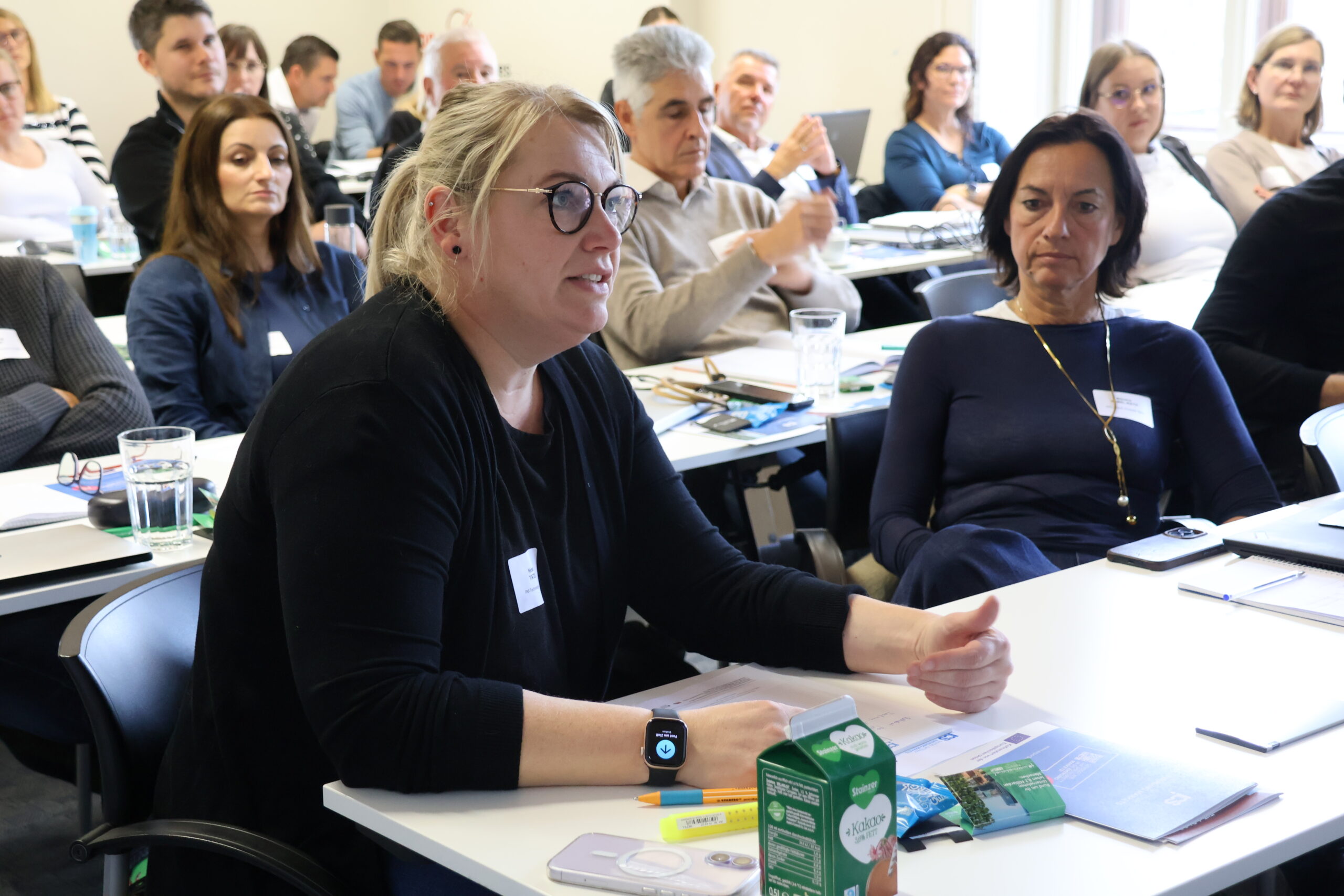
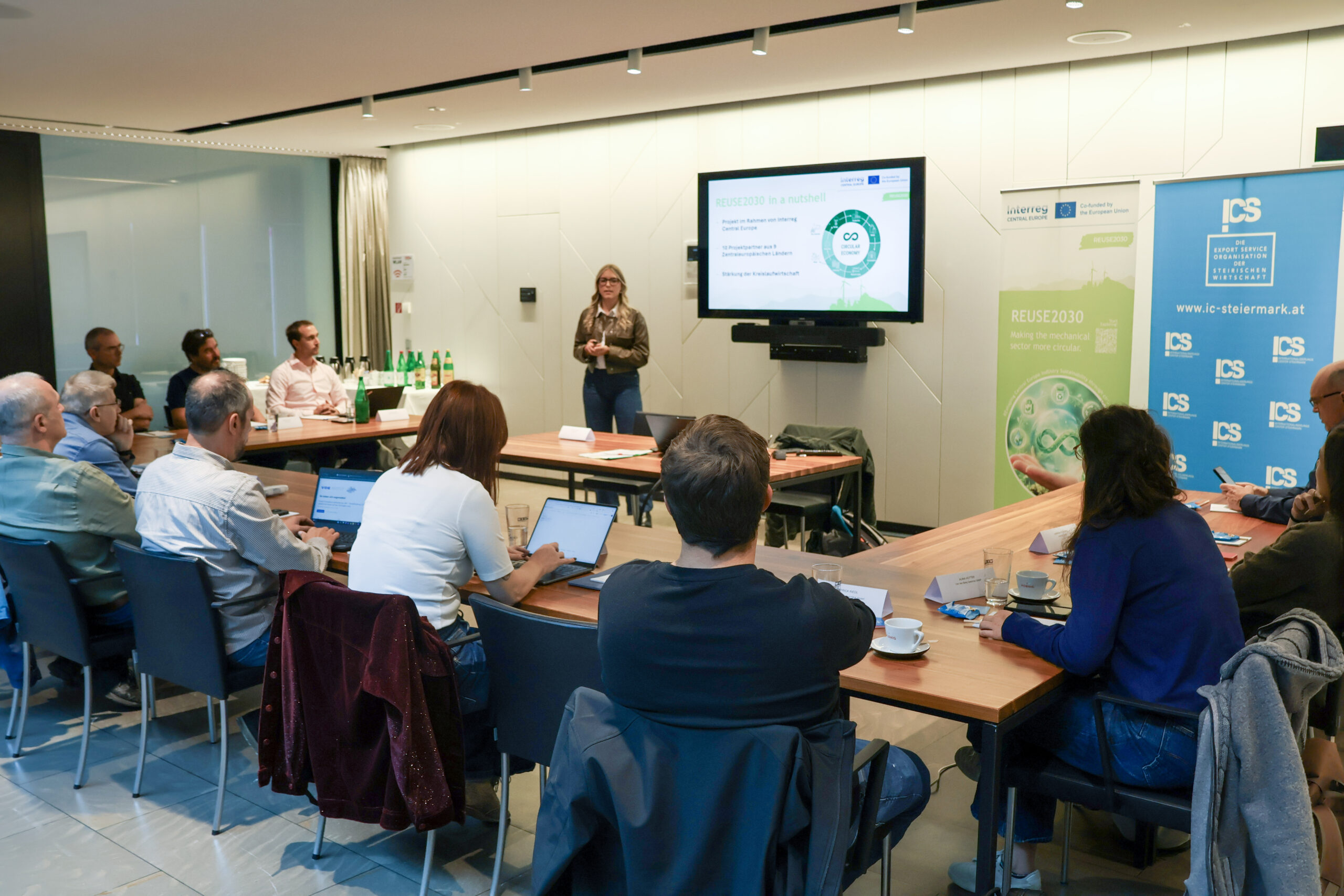
This was exactly the focus of the ICS “Circular Economy” workshop series at the end of September. Together with Bastien Huber from Thinkubator, who provided expert technical guidance for the workshops, participating industrial companies worked with concrete tools, digital solutions, and practical approaches to use resources more efficiently, optimize material and energy consumption, and close loops step by step.
Recap | Circular Economy Workshop
How can the circular economy be translated from a strategic goal into operational practice?

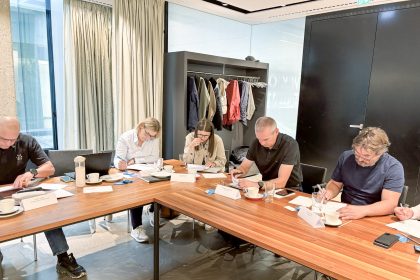
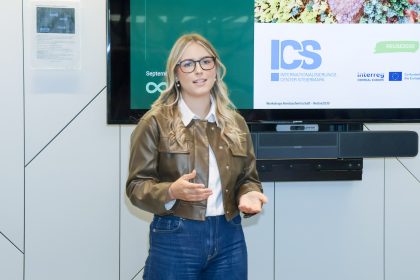
From life cycle assessment to concrete measures
The first module focused on Life Cycle Assessment (LCA) and digital tools for production optimization. Participants explored the fundamentals and current developments of the circular economy, the application of LCAs, as well as sustainable product design and production strategies. The primary focus was on a central question: Where are the greatest ecological and economic leverage points within one’s own company?
Topics such as material and energy use, waste streams, as well as monitoring and performance measurement showed how companies can systematically make improvement potentials visible and derive concrete measures from them.
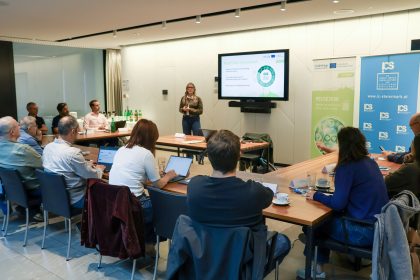
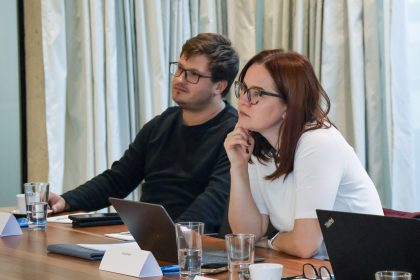
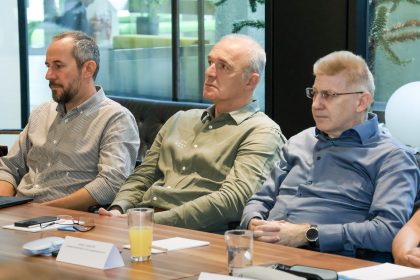
Circular economy in practice
The second module focused on practical implementation. Using concrete solutions and best practices, possibilities were demonstrated for integrating the circular economy directly into existing production processes. Thus, the workshop series bridged the gap from analysis to implementation – with a clear focus on measures that are actually applicable for manufacturing and processing companies.
Circular economy as a competitive factor
The circular economy has long meant more than just resource conservation. More efficient material flows, lower energy consumption, and new production strategies can help reduce costs, better manage regulatory requirements, and strengthen long-term competitiveness.
With this workshop series, the ICS supported companies in making this potential tangible and developing concrete next steps for their own operations.
More on the topic of circular economy and the REUSE2030 project:
As part of the European project REUSE2030, the ICS is working with international partners to bring circular economy principles more strongly into corporate practice, particularly in mechanical engineering and related industrial sectors. To this end, digital tools, best practices, and learning resources have been developed.

Your contact at ICS

Leonarda Bregovic
Junior Project Management


Daniela Guss
Authorized Signatory