Contact Us
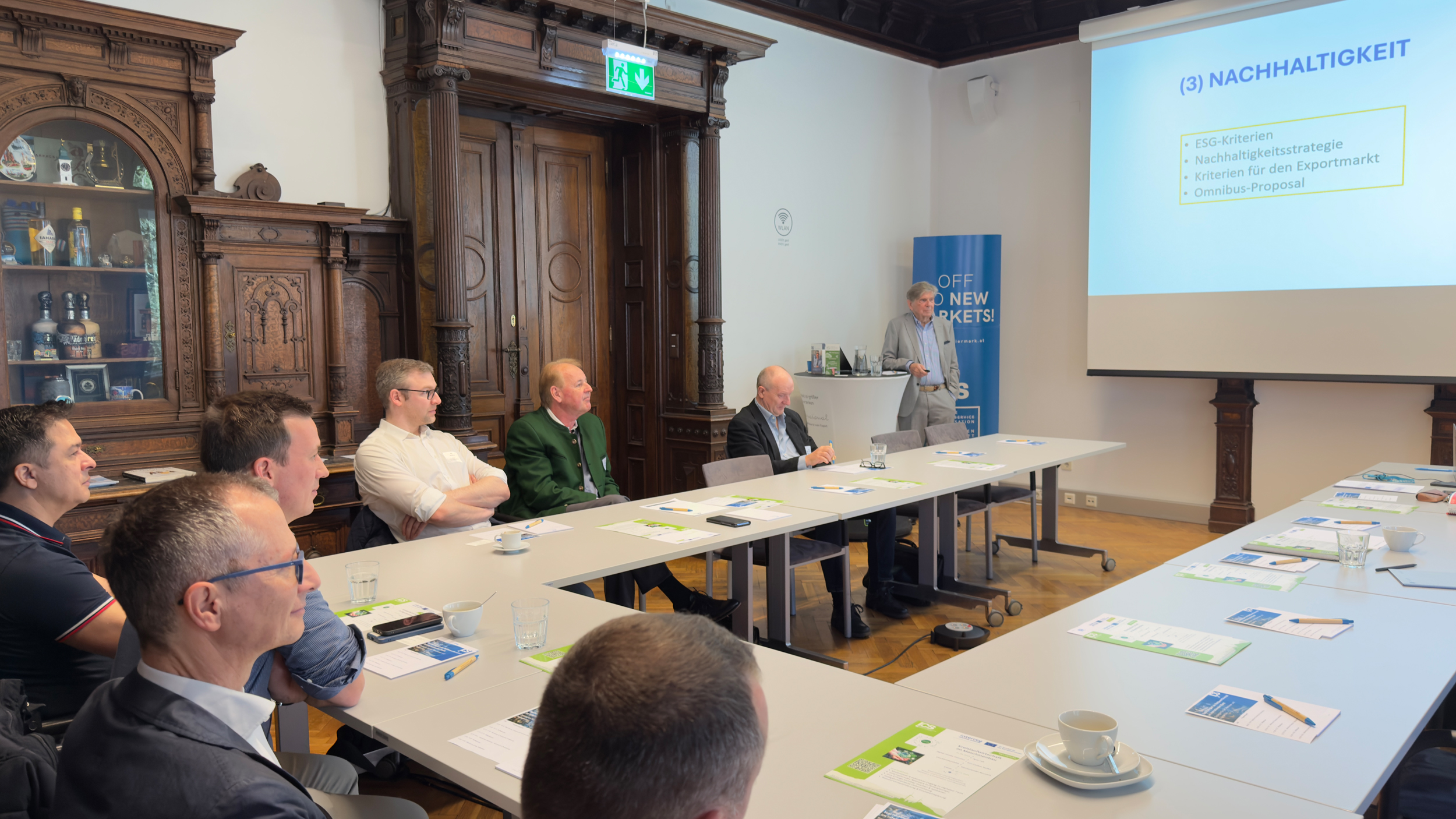


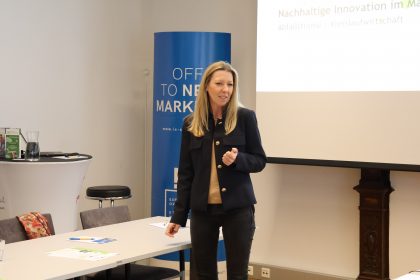
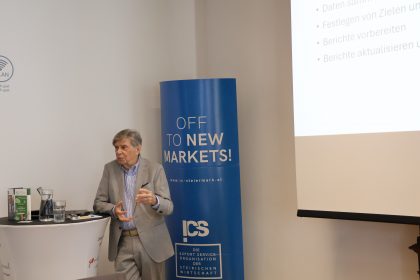
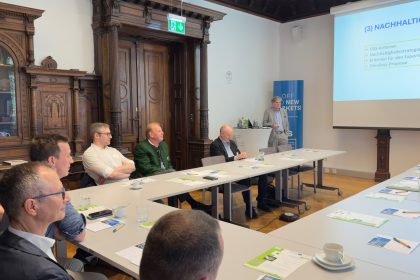
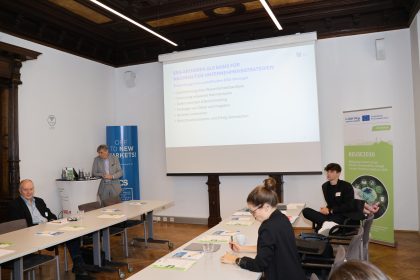
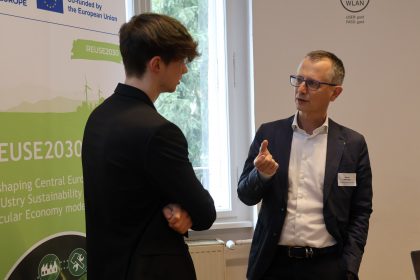
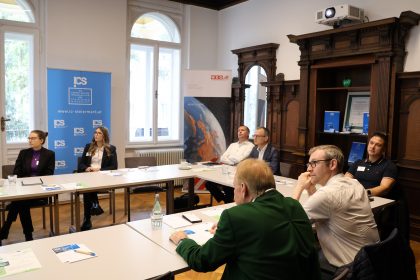
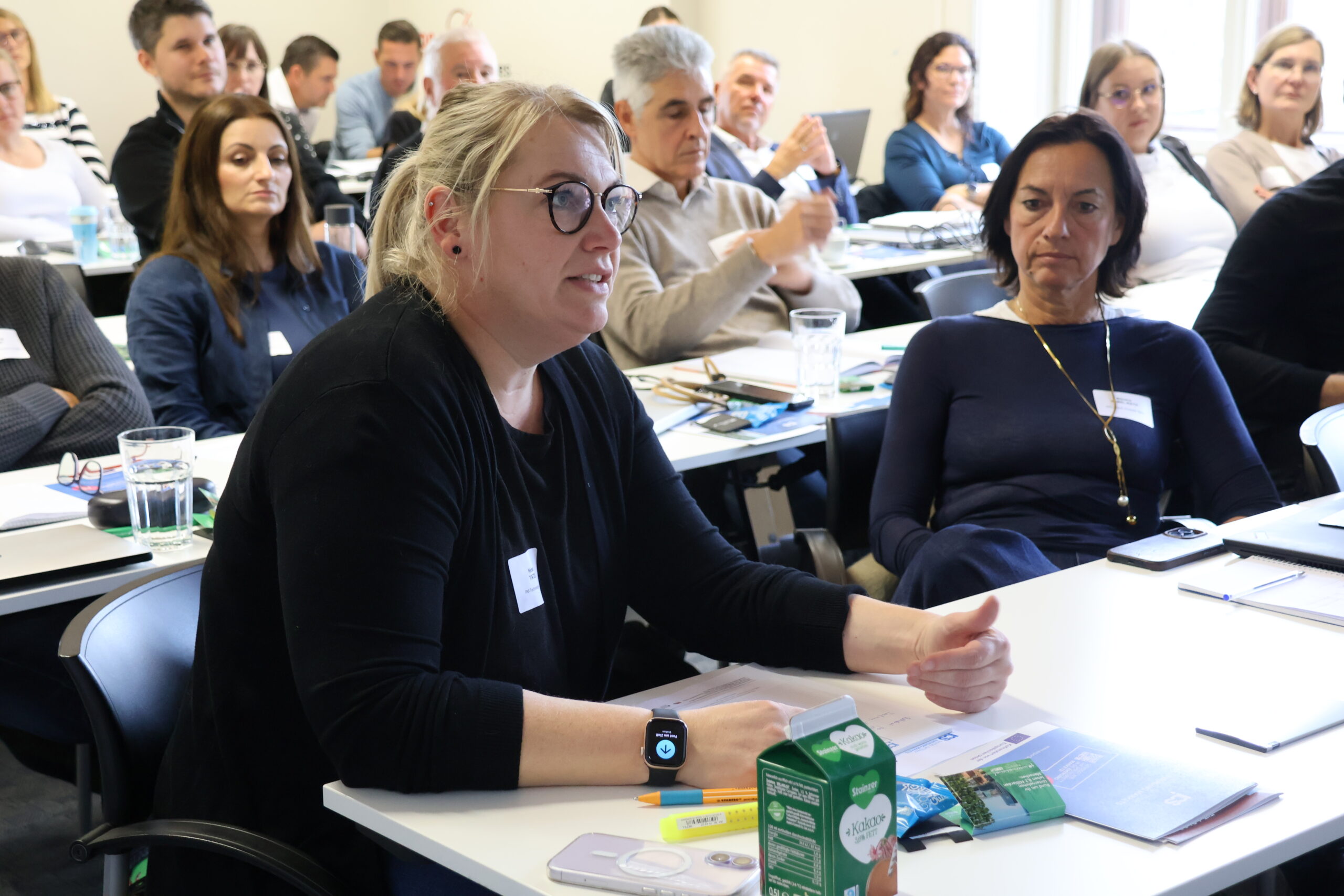
As part of the EU project REUSE2030, the ICS invited DI Peter Erlach to a high-level expert discussion. The focus was on one of the most pressing challenges facing industry: How can companies effectively integrate circular economy into their business models?
Sustainability is no longer a nice-to-have, but a decisive competitive factor. Companies that design machinery to be modular and recycling-friendly from the outset not only benefit from higher resource efficiency but also meet increasingly stringent regulatory requirements.
A successful circular economy requires strategic partnerships along the entire value chain. Those who act proactively today secure long-term market access and competitive advantages.
Key Takeaways for companies:
- ESG criteria are increasingly shaping international machinery and plant exports.
- Modular designs and intelligent material separation facilitate recycling.
- There is often a gap between sustainability strategy and practice – proactive action is required.
- Circular economy only works with close collaboration along the supply chain.
- Sustainability is not a cost factor, but a success factor for long-term market opportunities.
Now is the right time to embrace circular economy not just as an obligation, but as an opportunity!