
18. June 2025

News from Japan | Styrian Economic Mission

Styria meets Japan – Economic mission focusing on technology, research & international cooperation

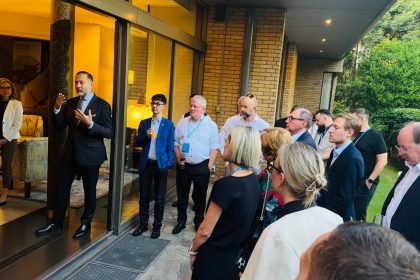
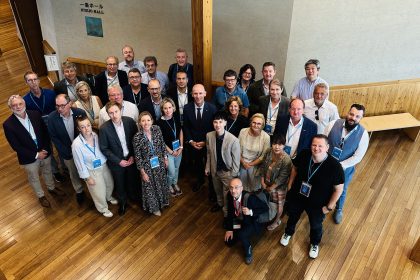
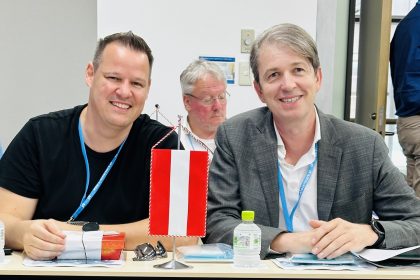
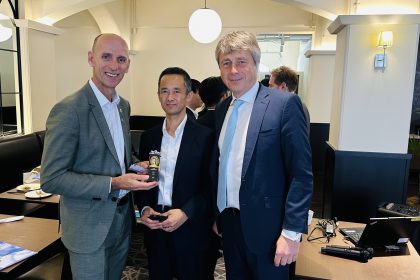
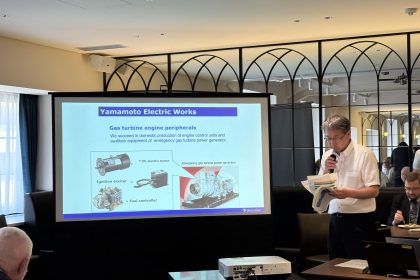
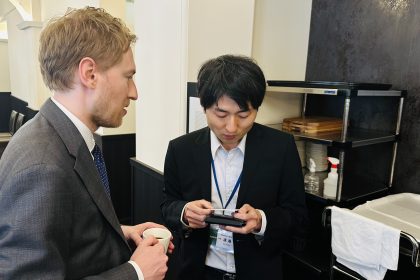
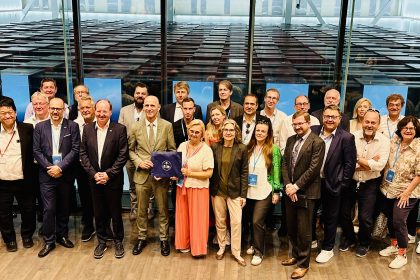
From June 16 to 22, a high-level Styrian delegation led by the ICS embarked on a six-day journey through Japan. The mission’s focus: the targeted expansion of economic and technological partnerships – in the context of the World Expo 2025 Osaka and beyond.

The days were characterized by intensive working meetings, sound site analyses, and inspiring technological impulses with a view to shared future opportunities.

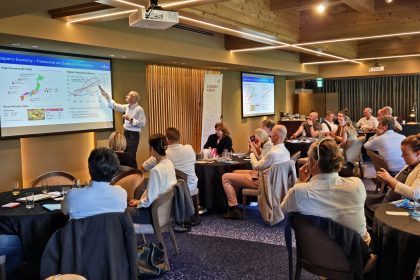
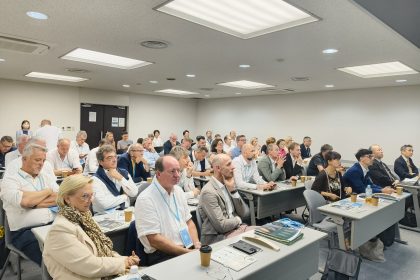
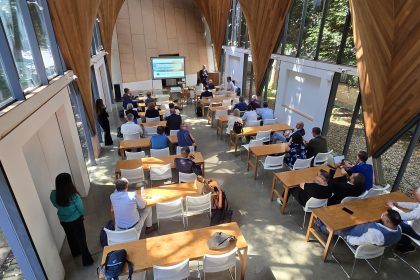
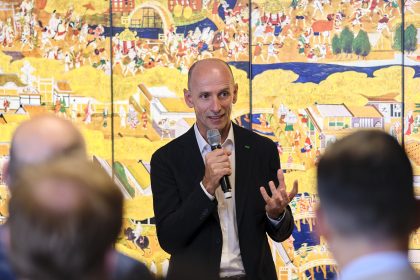
To kick things off, the focus was on market insights and intercultural know-how. During an initial intensive exchange at the historic TOGOKINENKAN, experts such as Martin Schulz (Fujitsu), Parissa Haghirian, and Akiteru Maruta provided sound analyses of the economic situation, the cultural peculiarities of Japanese business life, and an overview of the topic of hydrogen in Japan.

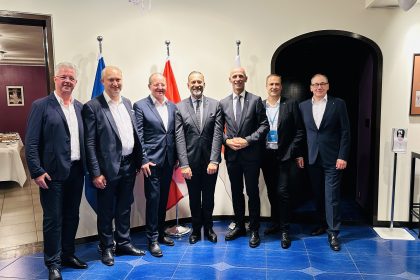
This was followed by an extensive discussion with Ambassador Michael Rendi at the Austrian Embassy in Tokyo – focusing on current framework conditions, strategic opportunities for cooperation between Japan and Styria, and an initial positive (!) summary of Austria’s presence at the World Expo.
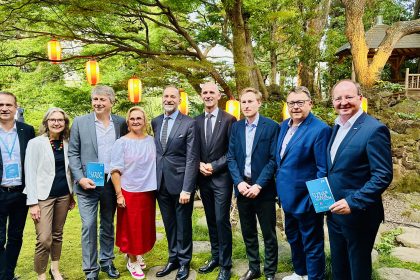
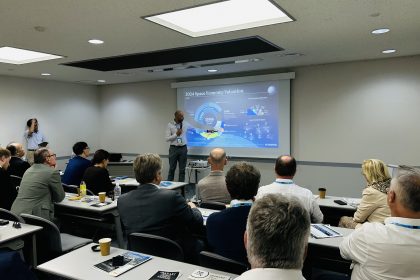
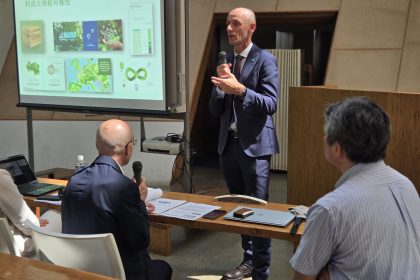
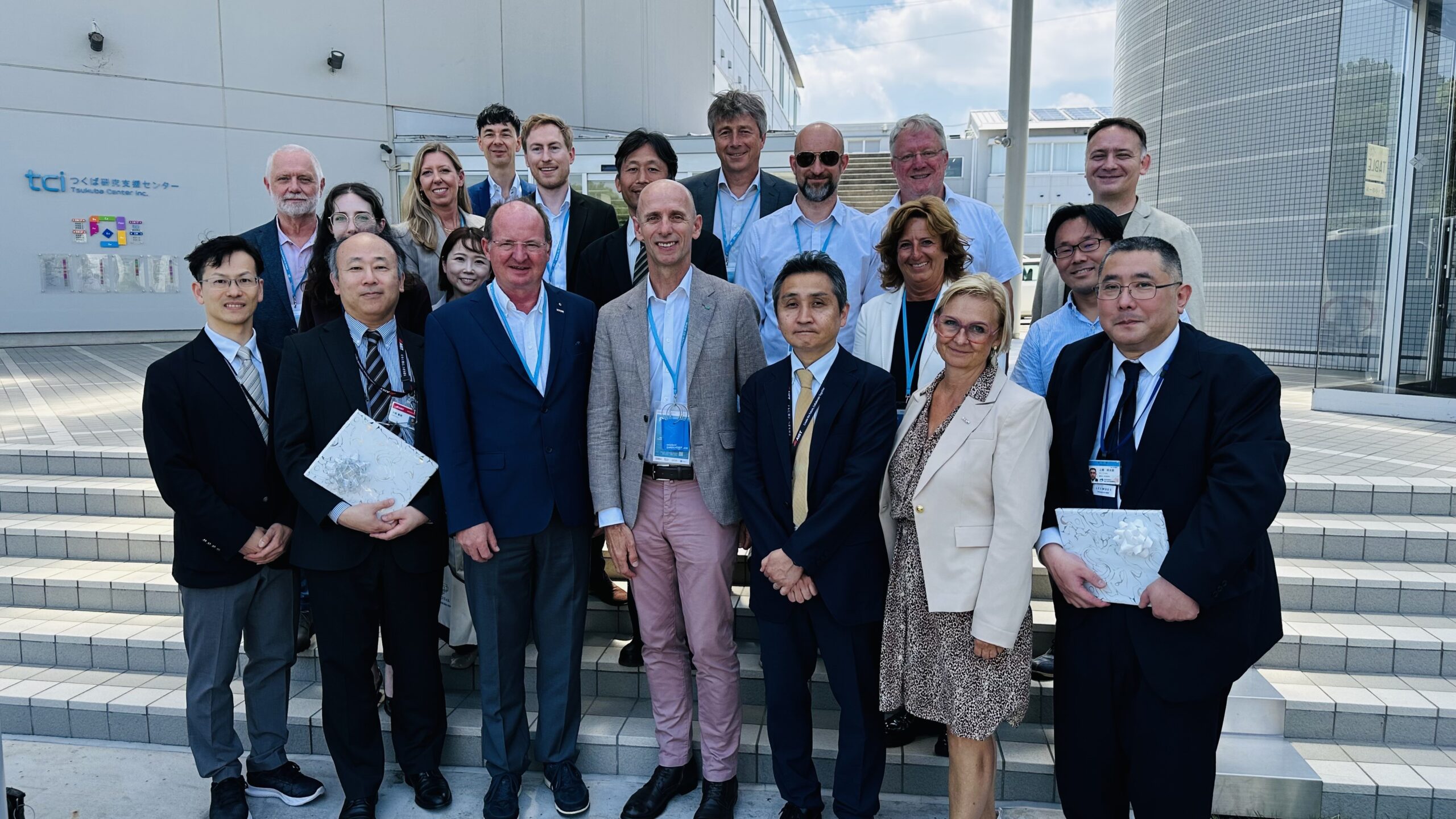
In Tsukuba – Japan’s leading center for research and development – the program included presentations by leading scientists from NIMS (National Institute for Materials Science) and AIST (National Institute of Advanced Industrial Science). Discussions included new materials for lightweight construction and mobility, concepts for flying vehicles, and approaches to international technology collaboration.

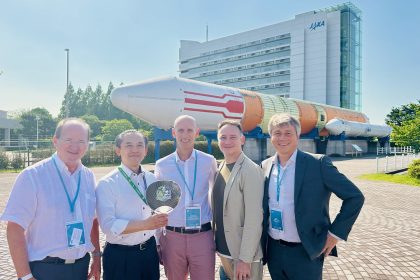
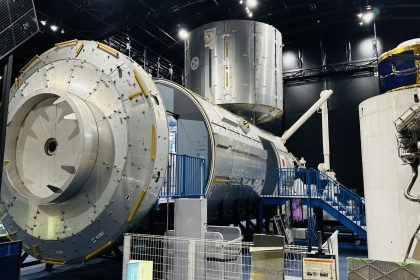
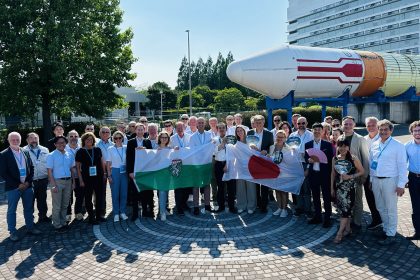
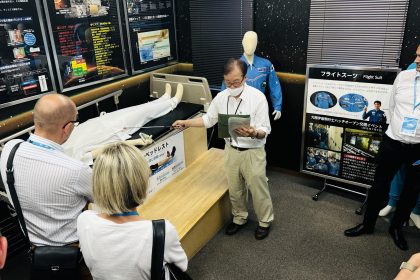
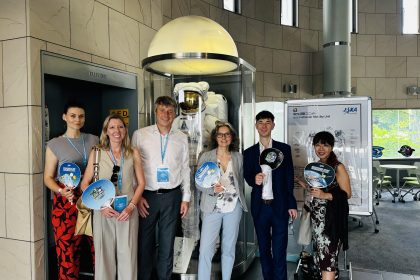
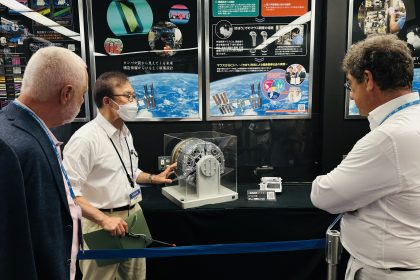
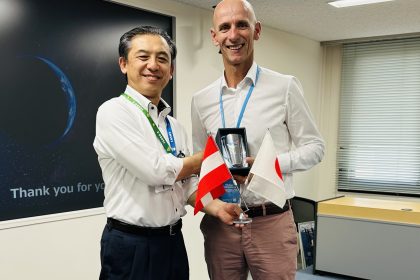
Another highlight was the visit to the space agency JAXA. The focus was on insights into satellite technology, Earth observation, space logistics, and the role of international partnerships – complemented by a personal conversation with General Director Takiguchi.

The third day made it clear just how closely research and industry are intertwined in Japan.

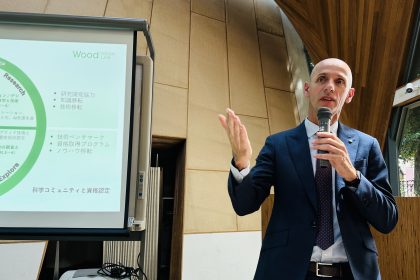
At the University of Tokyo, the delegation exchanged views with Prof. Kenji Aoki on innovative applications for wood-based materials in construction, mobility, energy, and the circular economy. Professor Aoki showed particular interest in the Styrian Wood Vision Lab, which was presented by Regional Councillor Willibald Ehrenhöfer – as an impressive example of the combination of material innovation, research excellence, and sustainability from Styria.

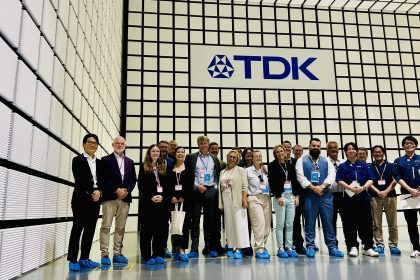
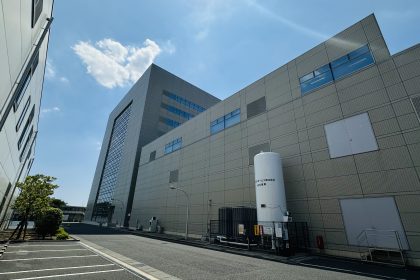
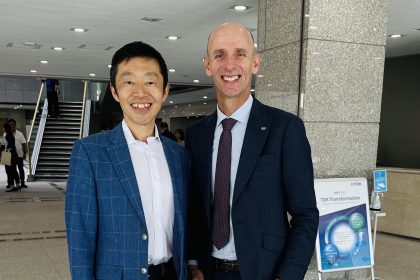
The technical center of TDK in Yawata also provided the delegation with a deep insight into their company. After a warm welcome by CTO Shuichi Hashiyama and an introduction by Norbert Palanovics, General Manager of the PR department, the delegation visited central research and development facilities – including the EMC laboratory and the Techno Studio.
The focus was on highly relevant future topics such as sensor technology, power electronics, energy storage, and intelligent components for industrial applications. It is precisely here that valuable points of contact arise for Styrian companies – whether in the development of piezo-based actuators, ceramic energy storage, or innovative protective components, such as those manufactured at the TDK plant in Deutschlandsberg. TDK, probably still known to most for cassettes, is today a global innovation leader with over 250 locations worldwide and a remarkable range of applications – from automotive technology to industrial energy and smart sensor solutions.
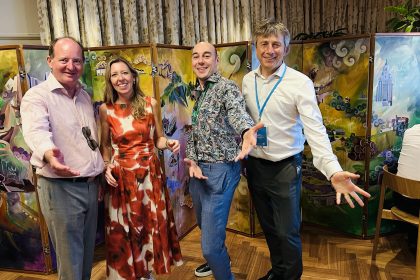
The discussions clearly showed: there is great potential for cooperation and technology transfer between Japan and Styria.

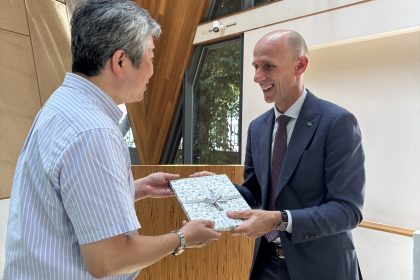
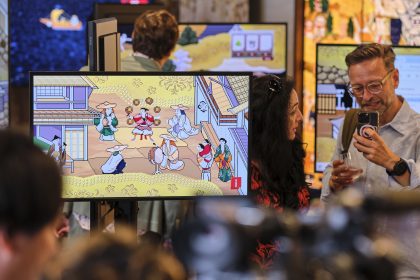
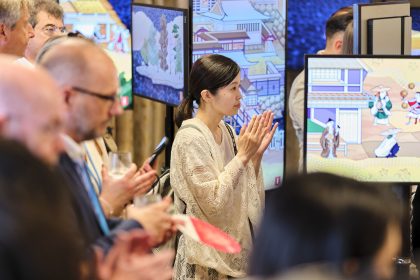
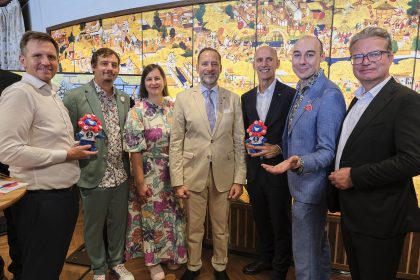
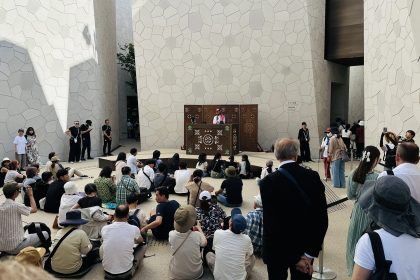
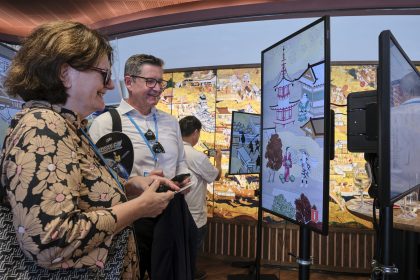
With the “Paravent History(s)” project, Styria is sending a powerful signal for cultural dialogue, regional identity, and international cooperation in the Austrian Pavilion. Inspired by the historic 17th-century Ôsaka screen, two extraordinary works were created: The “Styria Screen” by Tom Lohner – made of Styrian walnut wood – was presented to the Vice President of the Osaka University of Arts as a symbol of cultural connection. The “Pixel Screen” by studio ASYNCHROME brings historical imagery into a digital, interactive dimension. Vice Honorary General Consul Kosokabe honored this artistic bridge-building with a symbolic Kanpai.

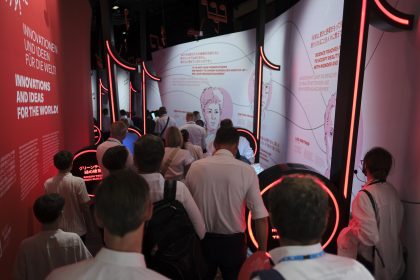
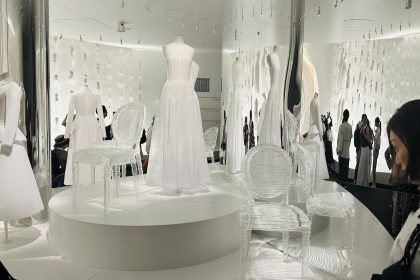
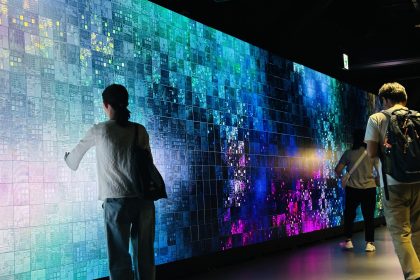
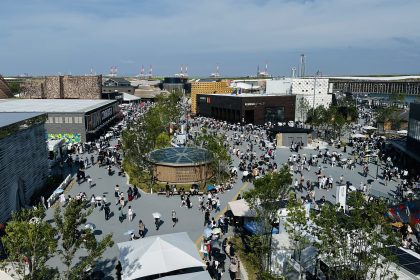
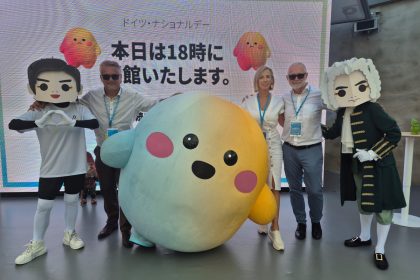
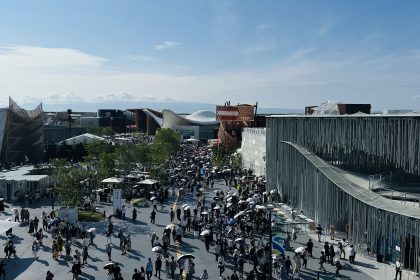
Accompanied by Christopher Drexler and other representatives from the cultural sector, the delegation then visited the pavilions of Saudi Arabia, Taiwan, Germany, and France. Particularly impressive: the visionary Saudi Arabia Pavilion – a preview of the next World Expo 2030 in Riyadh.

Economic policy meets high-performance research
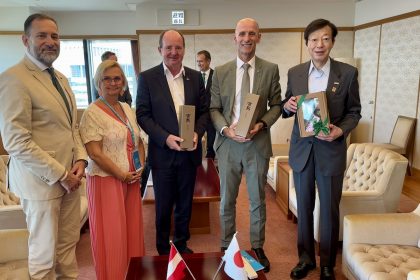
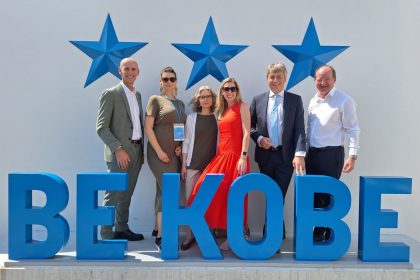
Kobe presented itself as an international innovation hub with a strong economic strategy and a focus on future industries. In the City Hall, the Styrian delegation exchanged views with the mayor on location policy, investment models, and cluster development in biotech, aerospace, and green tech. Styria put its R&D expertise and export strength on the table as an offer for cooperation.

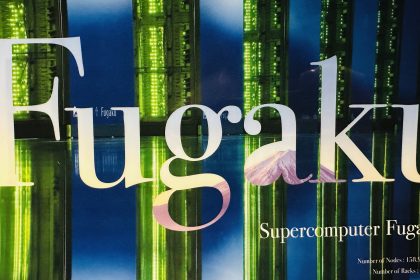
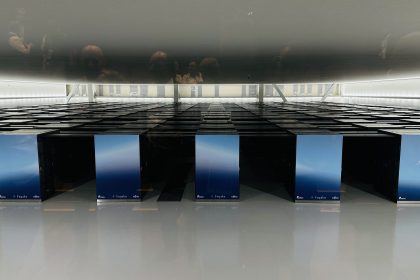
A visit to the RIKEN Center for Computational Science – home of the supercomputer Fugaku – opened up new points of contact for Styrian institutions in the fields of simulation, big data, and AI. During the subsequent working lunch with representatives from administration, science, and business, potentials for joint projects were further explored. A big thank you to Leo Luchuk for the local organization and Ambassador Michael Rendi for the diplomatic accompaniment.

Following this, the program continued to Kyoto – with an inspiring insight into a Styrian-Japanese success story:

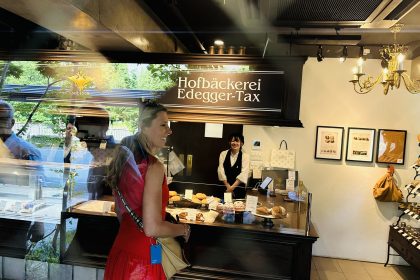
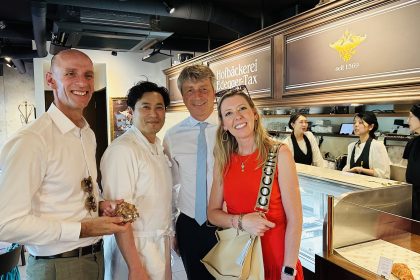
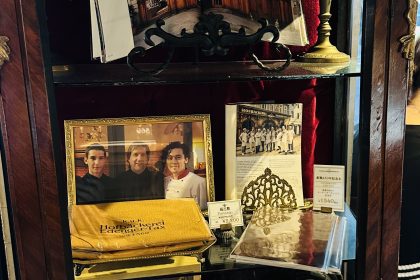
Tradition meets entrepreneurship – the Hofbäckerei Edegger-Tax in Kyoto
What began in 2012 with a baking partnership at the Austria Week in Tokyo developed into the flourishing Hofbäckerei Tokyo – founded by Robert Edegger and the Japanese master baker Nozawa Takahiko. Today, the bakery (which has since moved to Kyoto) delights customers with finely tuned classics such as Vanillekipferl and Guglhupf – and proves how regional craftsmanship, cultural openness, and personal relationships can conquer new markets.

Final impulses at EXPO 2025 Osaka
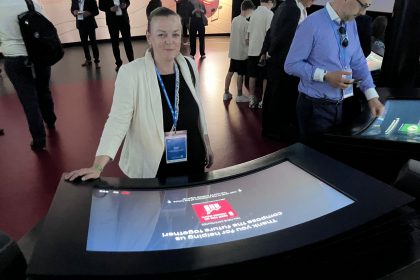
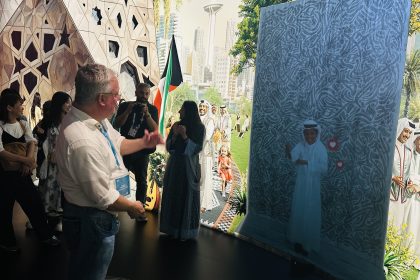
To conclude the delegation trip, international future topics once again took center stage. During guided tours through the pavilions of Kuwait, India, Italy, and Portugal, the focus was on the energy transition, digitalization, urban development, and the circular economy. The direct exchange with international contacts showed clear points of contact for Styrian companies – in an environment that seeks solutions and lives cooperation.

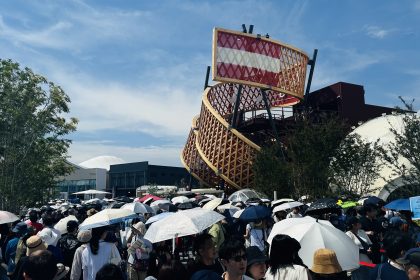
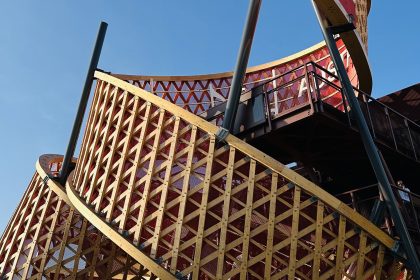
Austrian technological expertise was also prominently represented at the EXPO: Hempstatic with sustainable sound insulation in the EU Pavilion, Lichtermacher GmbH with immersive media technology for the USA presence, and Mühlböck Holztrocknungsanlagen GmbH in the world’s largest wooden structure. A warm thank you to the EXPO Austria team for the close cooperation and the strong visibility of Styrian contributions in the Austrian presence.

Our economic delegation to Japan was much more than a visit to EXPO 2025 – it was a strategic dialogue with a country that lives the future: technologically, socially, and economically.

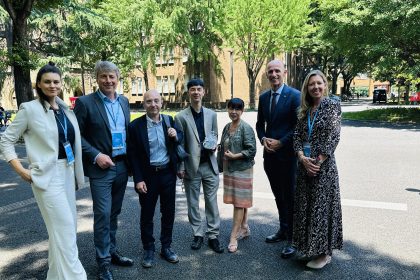
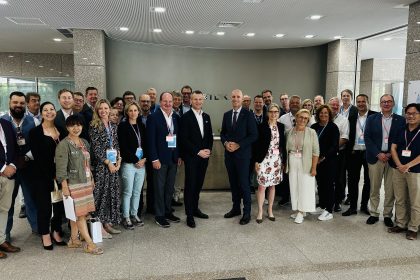
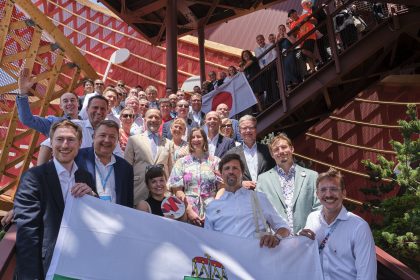
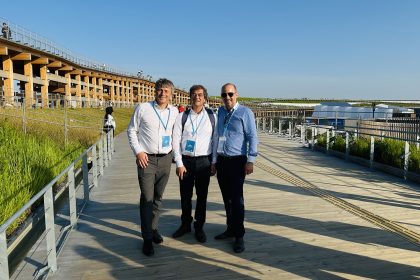
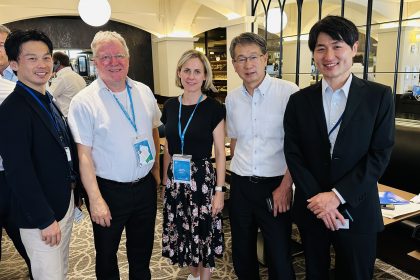
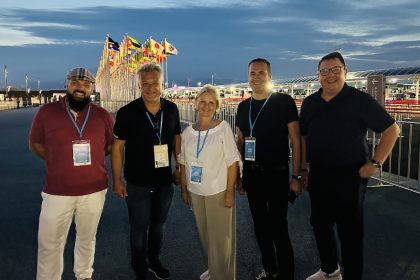
With around 40 Styrian representatives from business, science, politics, tourism, and culture, we addressed central innovation topics on site, opened up new areas for cooperation – and positioned Styria as an active partner.

A big thank you goes to all fellow travelers, the Austrian Foreign Trade Center Tokyo, the Austrian Embassy, the EXPO Austria Team, and our Japanese hosts – and especially to Daniela Guß and Iris Edler-Stiegler from the ICS, who organized and accompanied this trip together with Karl Hartleb with great commitment and strategic sensitivity.

The ICS remains the first point of contact after the trip for everyone who wants to tap into Japan as a market of the future.

Your contact at ICS