

 Contact Us
Emerging markets: strategically tapping into new growth markets
Emerging markets are economies in transition: they are growing, industrialising, digitising their economies, and creating new demand for technologies, infrastructure, services, and know-how. For Styrian companies, this can open up new sales markets, partnerships, and international project opportunities.
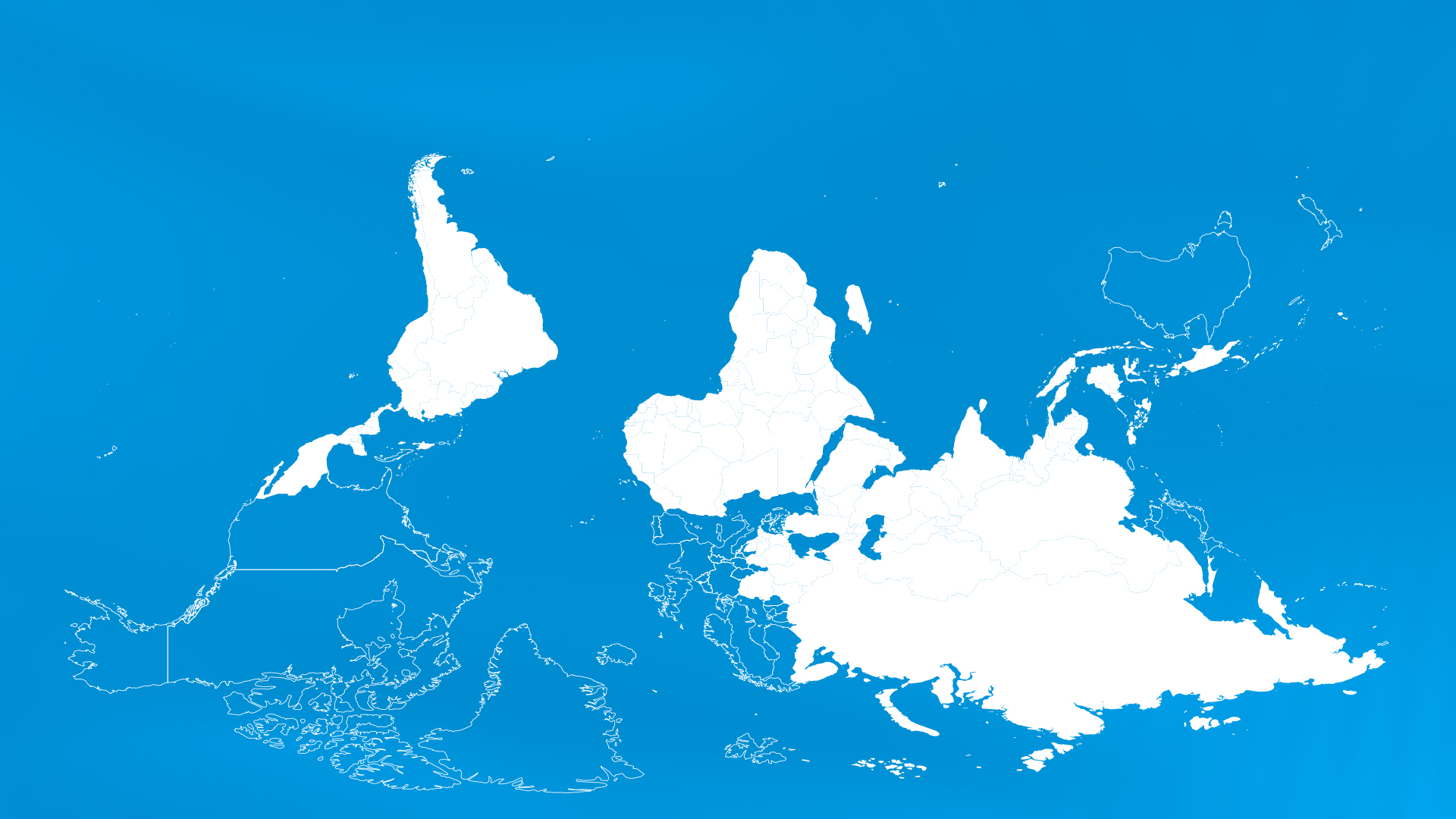
 Africa countries outline map from space, globe planet earth from space, 3d illustration
What are emerging markets?
There is no single, globally standardised definition. Institutions, financial markets, and funding programmes draw the boundaries differently. For the economic classification on this page, we therefore consistently follow one official system: the IMF group “Emerging Market and Developing Economies” (EMDE).
The term does not describe a homogeneous group of countries. India, Brazil, Vietnam, Mexico, or markets in Africa, Central Asia, and the Middle East differ greatly in size, growth, regulation, purchasing power, and market maturity. For companies, the key question is therefore not whether a country is generally considered an “emerging market”, but whether it is attractive for their own business model and realistically accessible.


With DiGEM funding, we support Styrian companies in preparing their internationalisation in a targeted way and tapping into opportunities in emerging markets.
Alexandra Kohrgruber, Lisa-Maria Katholnig, Abigail Garcia | Digital Gateway Emerging Markets (DiGEM) project at ICS

With Fit 4 Global Projects, we support companies in developing international projects in a way that brings together economic viability, local partnerships, and sustainable impact.
Karin Hölbling, David Martinovic, Fit 4 Global Projects team
Economic momentum is only the starting point. Emerging markets become particularly interesting where structural change creates tangible demand.

Not every growth market is right for every company
High growth rates alone are not an argument for entering a market. What matters is the fit between market needs, your offering, your competitive position, and the resources you can invest in building a new market.
For an initial assessment, five questions can help:
- Is there a specific need for your solution in the target market – today or in the foreseeable future?
- Can you demonstrate clear added value compared with local and international competitors?
- Do the price level, sales channels, and business model fit the market?
- Can you realistically meet regulatory, cultural, and operational requirements?
- Is the market strategically important enough to build relationships and presence beyond individual leads?
The more of these questions remain unanswered, the more important a structured market assessment is before implementation.


 09. November 2026 – 13. November 2026
 Jakarta, Bandung, Surabaya | Indonesien
 08:00 Uhr


Keep an eye on emerging markets
Growth markets change quickly. In Emerging Insights, we provide a concise classification of economic developments, market opportunities, and new framework conditions – with a focus on what they mean for export-oriented companies from Styria.
Expert Advice – Direct and Simple
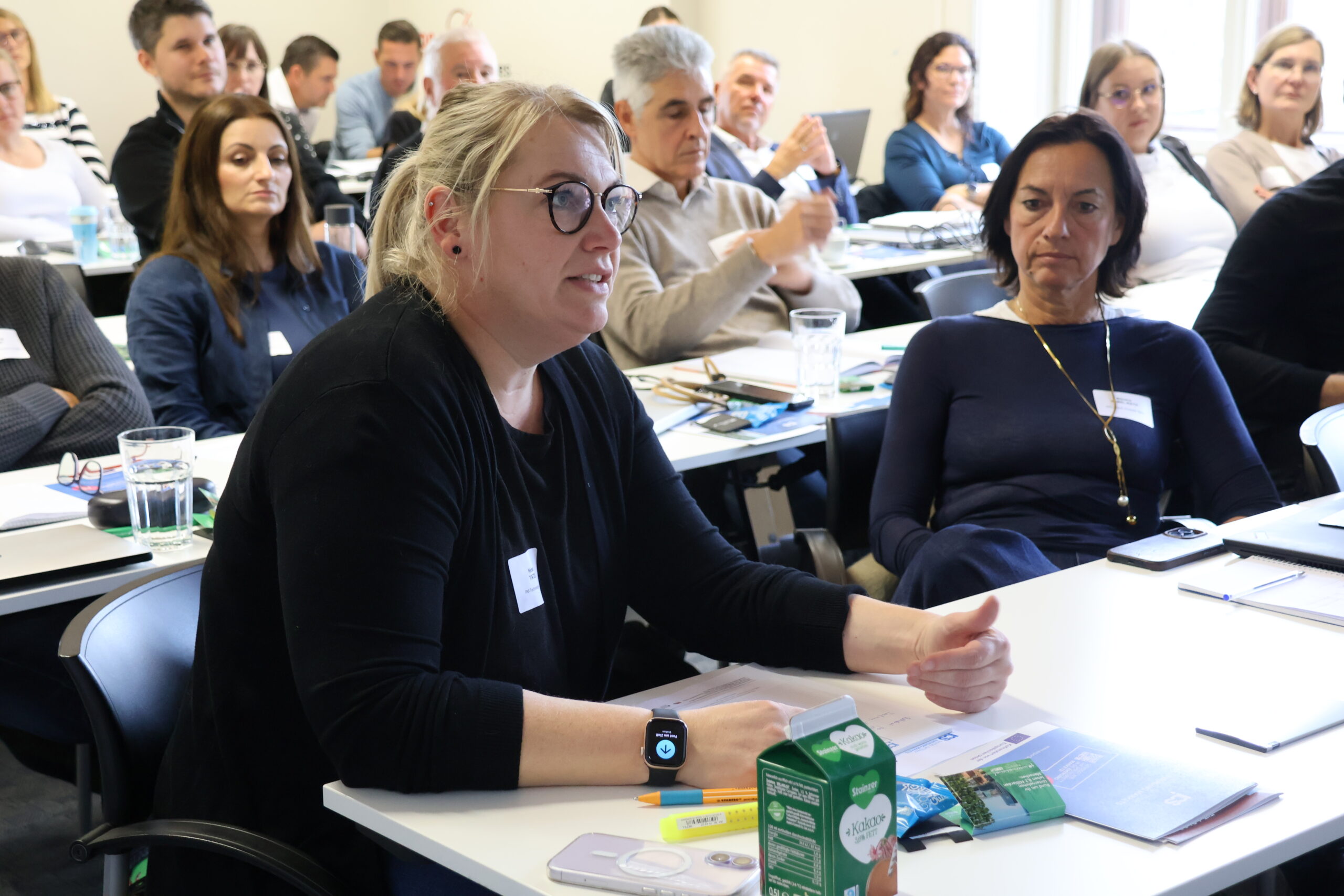
Our female experts provide reliable advice on all questions relating to emerging markets

Karin Hölbling
Head of EU Projects


Lisa-Maria Katholnig
DiGEM Project Management
FAQ: Emerging markets and market entry
Emerging markets are economies undergoing economic and structural transformation. There is no single, globally standardised definition. For the statistical classification on this page, ICS consistently uses the IMF group “Emerging Market and Developing Economies”; specific programme countries may differ. You can find an exact list of countries here.
In many growth markets, industrialisation, infrastructure development, digitisation, and social change create new needs. For Styrian companies, this can result in sales opportunities, partnerships, and international projects – provided that the offering, target group, business model, and market conditions fit together.
Start with your business objective and clear selection criteria: market needs, growth, competition, accessibility, regulatory requirements, sales channels, partner landscape, and internal resources. Only on this basis should a target market be prioritised.
Depending on the market, political and regulatory changes, exchange-rate risks, financing, payment terms, supply chains, local standards, cultural differences, or dependence on partners may be relevant. These risks should be assessed on a market-specific basis before entering the market and not applied across all emerging markets as a blanket assumption.
ICS Internationalisierungscenter Steiermark supports Styrian companies with orientation, market analysis, strategy development, qualification, international networking and – depending on the project – referrals to suitable programmes such as DiGEM or Fit 4 Global Projects
DiGEM is the right route when market development, diversification, or preparing for market entry is the main focus. Fit 4 Global Projects is aimed at companies that already have a specific technology or project idea and want to develop it further into an international investment or technology project.