Contact Us
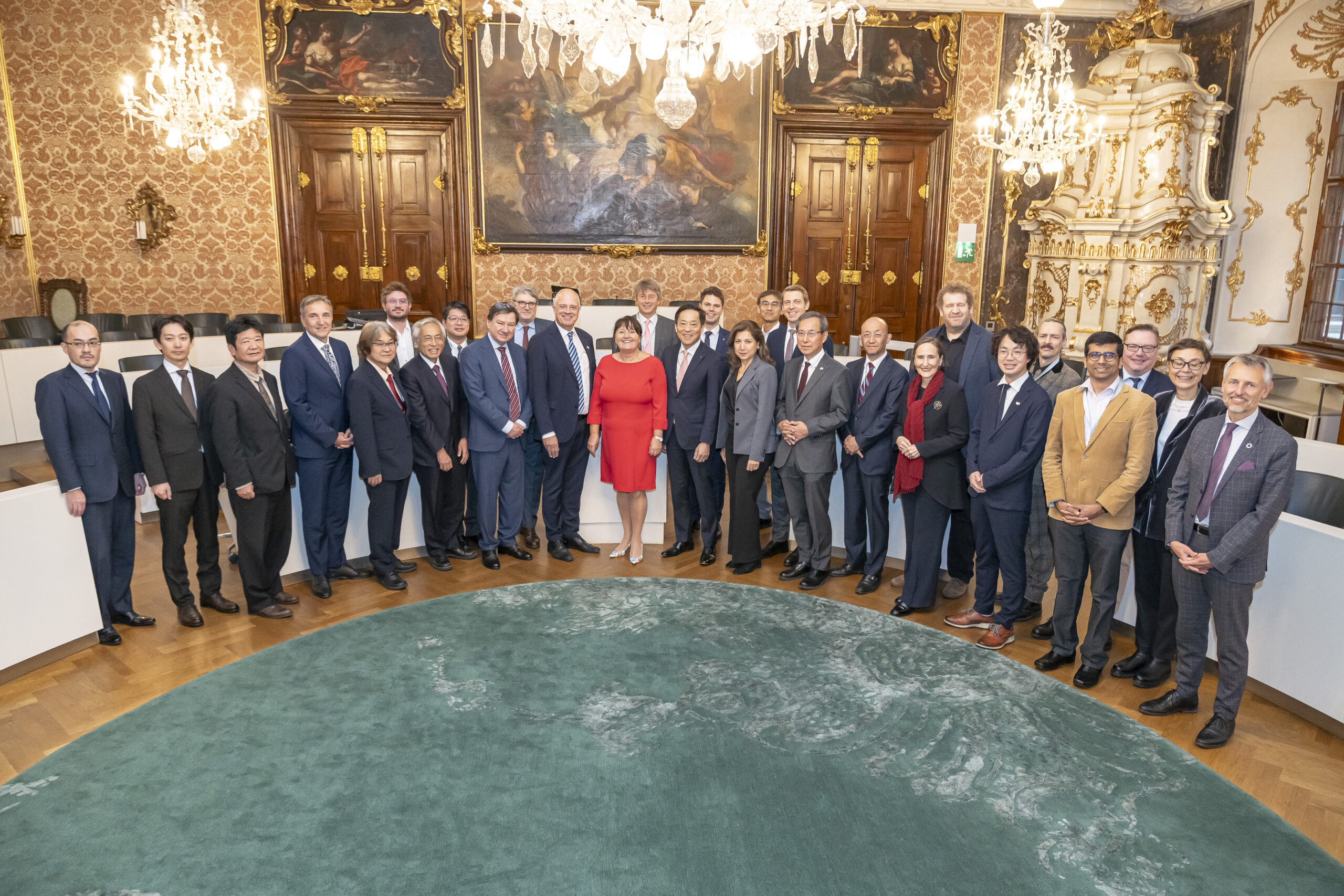
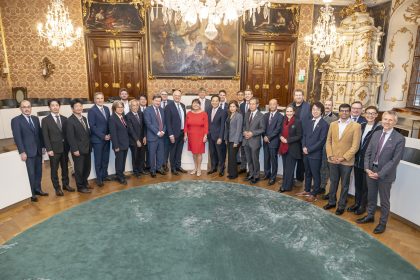
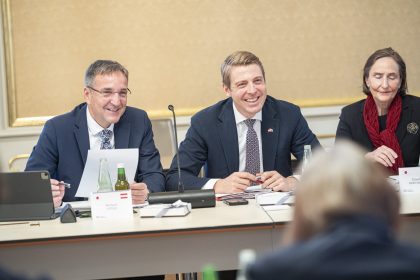
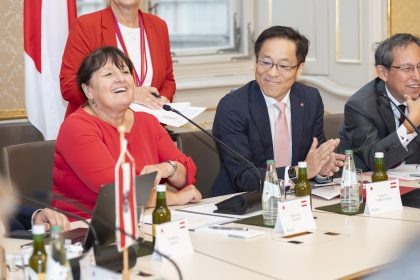
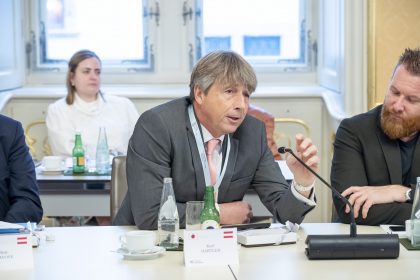
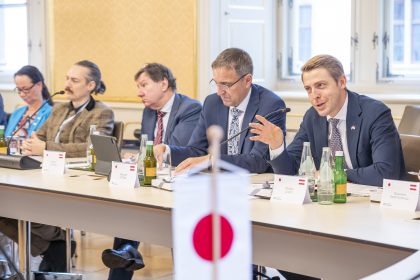
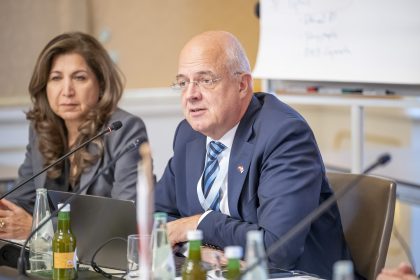
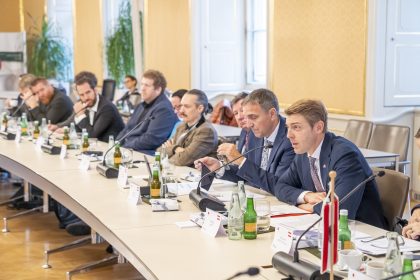
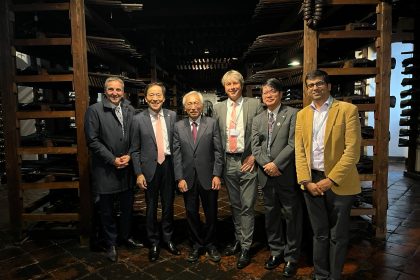
Under the chairmanship of Seiichi Yamaguchi, Managing Executive Officer at Yamaha Corporation, and Prof. Wolfgang Mazal, University of Vienna, experts from both countries discussed the potential applications of hydrogen as well as the latest technological advances and recent use cases in the Aula of Graz University of Technology. It became very clear that hydrogen will not ensure the basic energy supply, but will play a very important role in the future in selected areas such as heavy-duty transport, shipping, aviation, energy storage, and the decarbonization of industry (steel and cement production). In the highly practice-oriented exchange between representatives of Japan’s hydrogen valley and leading Styrian researchers, it became clear how important this topic is for both countries, and how significant a role Styria plays in Europe and Yamanashi Prefecture plays in Japan in this regard. The company visit to AVL List, where Prof. Helmut List reported in particular on the hydrogen work of this globally leading company, also gave the Japanese delegation the opportunity to experience applied research and development at the highest level.
Follow-up Report | Meeting of the Japanese-Austrian Committee
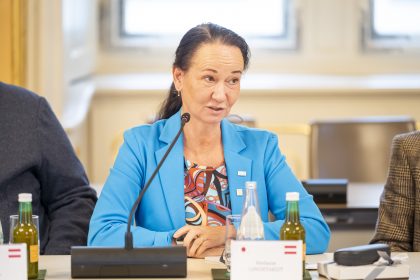
Cutting-edge research in the fields of hydrogen and artificial intelligence (AI) took center stage at this year's meeting of the Japanese-Austrian Future Committee in Graz.
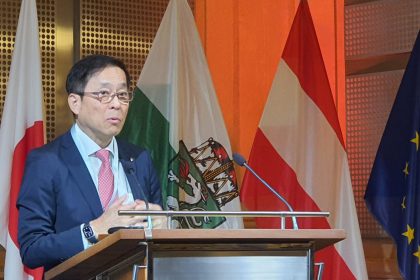
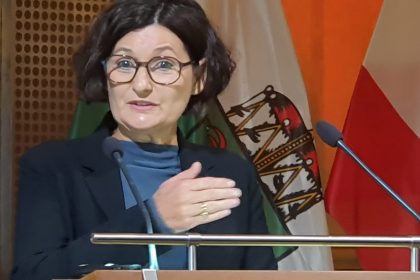

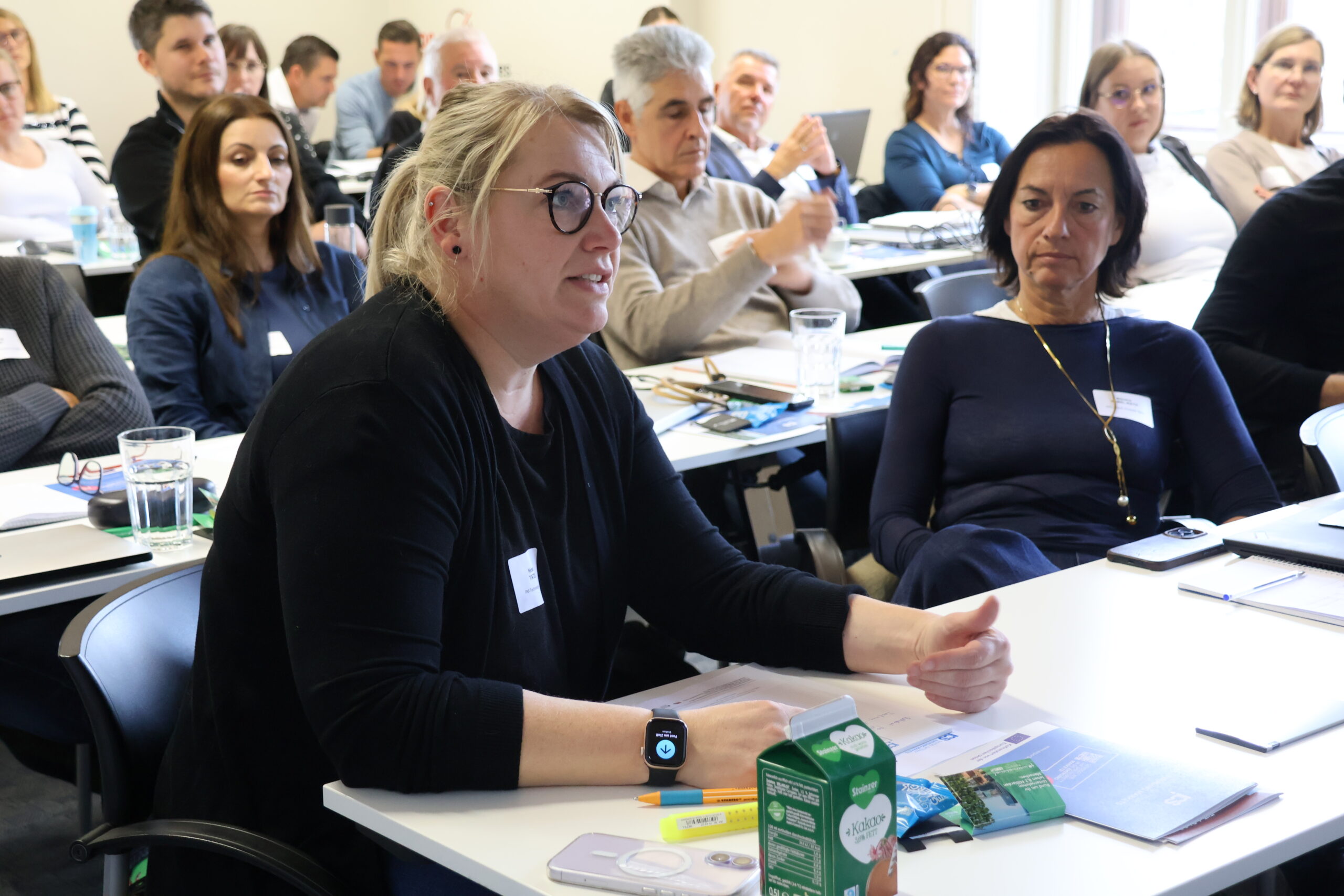
The part of the conference dedicated to AI, which was also attended by Philipp Gady, Vice President of the Austrian Federal Economic Chamber, focused in particular on questions regarding the cultural imprint of the large language models currently in use and thus of AI platforms, which raises economic, social, and cultural issues. It is precisely in this area that cooperation between the bilateral AI communities could play a very important role in preventing bias and problematic future developments, without calling into question the enormous potential of the technology. Both countries also recognized common challenges, such as the current bottlenecks in available computing power and, more generally, the enormous energy consumption of AI—with the electricity consumption generated by AI worldwide expected to exceed Japan’s current total demand within five years. New technologies are therefore of great importance in this area as well.



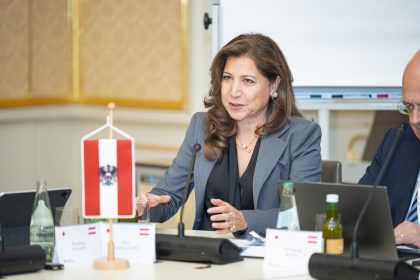

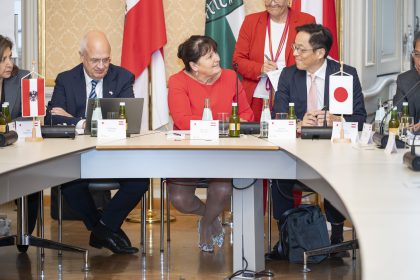
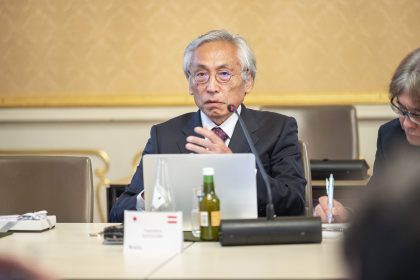
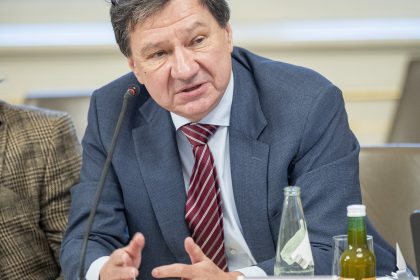

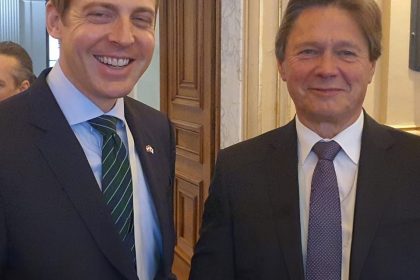
Styria also used the visit of the high-profile Japanese delegation for political contacts: the delegation was welcomed at the Landhaus by State Parliament President Manuela Khom, and State Councillor Werner Amon hosted a ceremonial dinner at the Graz Castle (Schlossberg) in honor of the Japanese guests, on behalf of Governor Christopher Drexler. Despite the committee’s future-oriented focus, the visit to Eggenberg Palace and the Armory particularly impressed the Japanese delegation, as these two museums represent a strong bridge between Japan and Austria.


Your contact at ICS