Contact Us
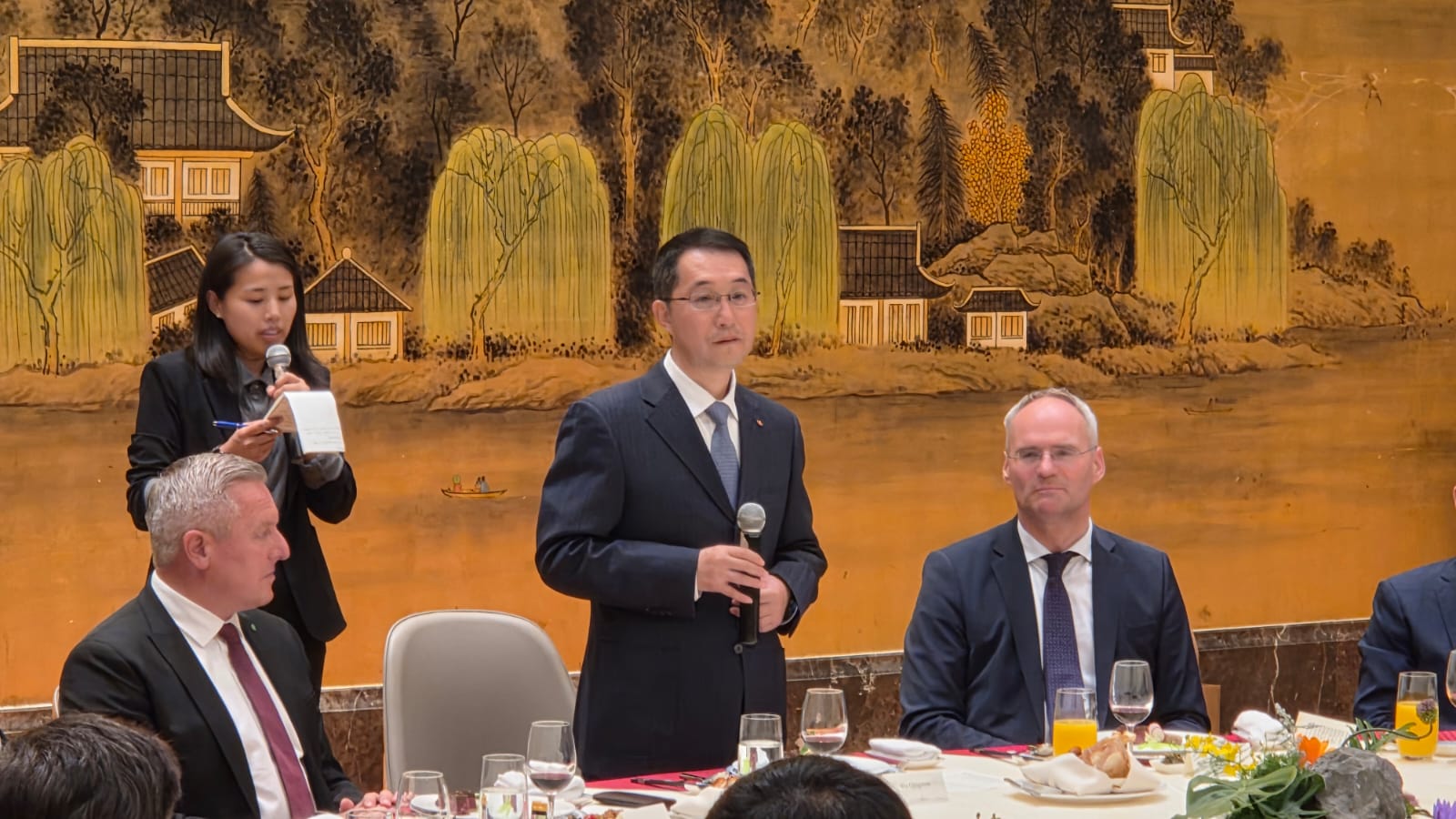



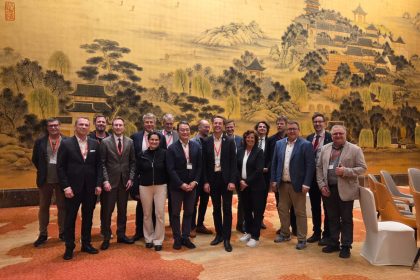
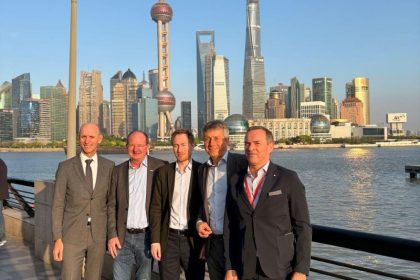
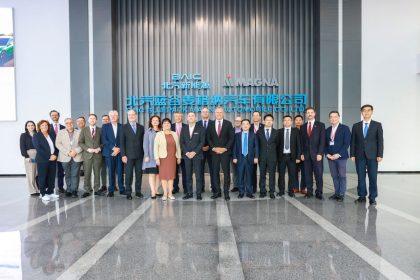
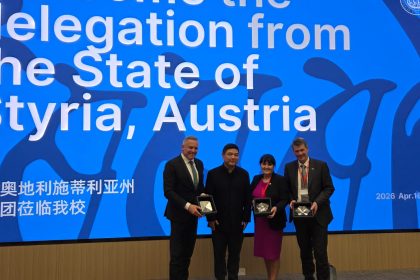
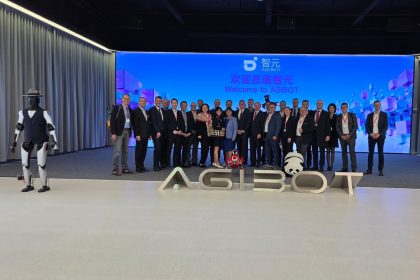
China is rolling out the red carpet for Styria – a fact that Governor Mario Kunasek, Deputy Governor Manuela Khom, Provincial Councillor for Transport Claudia Holzer, Provincial Councillor for Economic Affairs Willibald Ehrenhöfer and Provincial Parliament President Gerald Deutschmann, together with leading representatives of Styrian business, were able to see for themselves during a delegation trip to selected provinces of the People’s Republic.
As part of the mission, there were not only talks with leading Chinese political and business representatives, but it was also possible to renew cooperation agreements (MOUs) and conclude new ones. Particularly noteworthy are the agreements with Shanghai and with Guangdong Province, which, with 85 million inhabitants, is one of the most dynamic economic regions not only in China but worldwide.
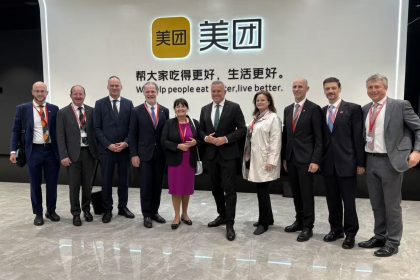
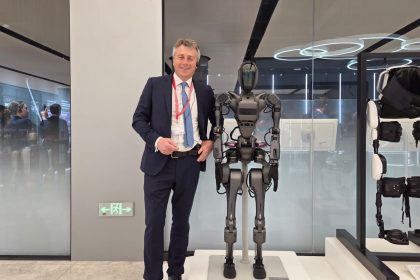
As with all economic missions to China, the country once again impressed with high technology—particularly in the areas of mobility, robotics and AI—an enormous drive for innovation and strong entrepreneurial dynamism, given that many of the new technology leaders are barely more than 10 years old. China has already largely completed its technological decoupling from US technology in many areas on the basis of local technologies such as WeChat, AliPay, the DiDi app, JD.com, Alibaba, etc. The interplay of centralised planning within the framework of the Five-Year Plans and capitalist entrepreneurship appears, apart from quite significant misdevelopments, e.g. in the real estate sector, to be secured for the time being. However, the revival of private demand continues to fall short of expectations, meaning that the competitive situation in the Chinese market is becoming increasingly intense.
The mutual appreciation between Styria and China, especially the partner regions, certainly also provides a good basis for further expanding economic cooperation between Chinese and Styrian companies, which already account for around a quarter of Austria’s exports to and investments in China.
Nevertheless, our companies are dealing with a challenging economic partner whose renewed openness is certainly also linked to the pursuit of global technological leadership, local overproduction in many areas, the intensifying strategic competition between the United States and China, and the associated search for substitute markets to replace the US market.