

 Contact Us
Western Balkans: Business Opportunities for Styrian Companies
Geographical proximity, established economic relations, EU approximation, and ongoing investments make the Western Balkans an important market and project region for Styrian companies. Opportunities arise particularly in infrastructure, energy, green tech, industry, construction, timber, tourism, and digitalization.
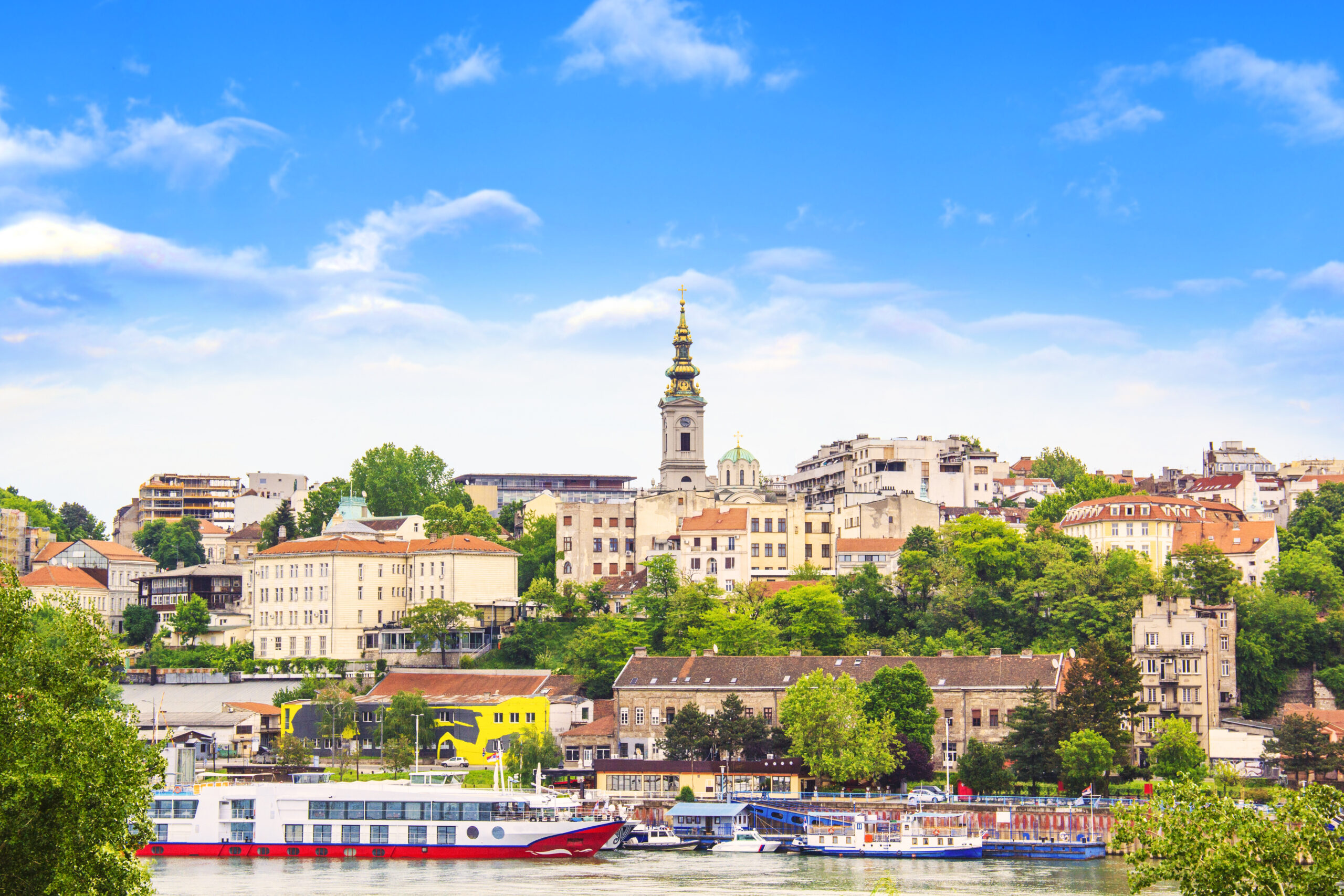
 Buildings on Belgrade Waterfront new chapter in the city of Belgrade, Serbia.
Close to Styria – economically closely intertwined yet very diverse
In the EU context, the Western Balkans include Albania, Bosnia and Herzegovina, Kosovo, Montenegro, North Macedonia, and Serbia. The markets differ significantly in size, industry structure, regulation, and investment dynamics. What they share is close economic integration with the EU and progressive approximation to the European single market.
The EU supports the region with the Growth Plan for the Western Balkans and the Reform and Growth Facility. In 2026, further funds were released for reform progress. At the same time, Austrian trade data shows the region’s importance: in 2025, Austria exported goods worth approximately 2.3 billion euros to the Western Balkan states. For Styrian companies, this proximity creates starting points for exports, supplies, infrastructure projects, and collaborations.


The Western Balkans serve as a sales market, production site, and procurement region for Styrian companies. We support you in finding suitable partners and specifically integrating the differences between individual markets into your strategy.
Leonarda Bregovic | Western Balkans Country Expert at ICS
Where Business Opportunities Arise
Current market and event activities highlight particularly relevant opportunity areas:

Green Tech & Energy
Renewable energy, grids, water, environmental technology, energy efficiency, and circular economy.

Infrastructure & Construction
Road and rail projects, municipal infrastructure, construction, building technology, and smart city solutions.

Food & Health
Food, dietary supplements, health sector, and regulated consumer goods with local approval.

Tourism & Skilled Workers
Tourism infrastructure, ski & spa, hospitality technologies, and specialized services.
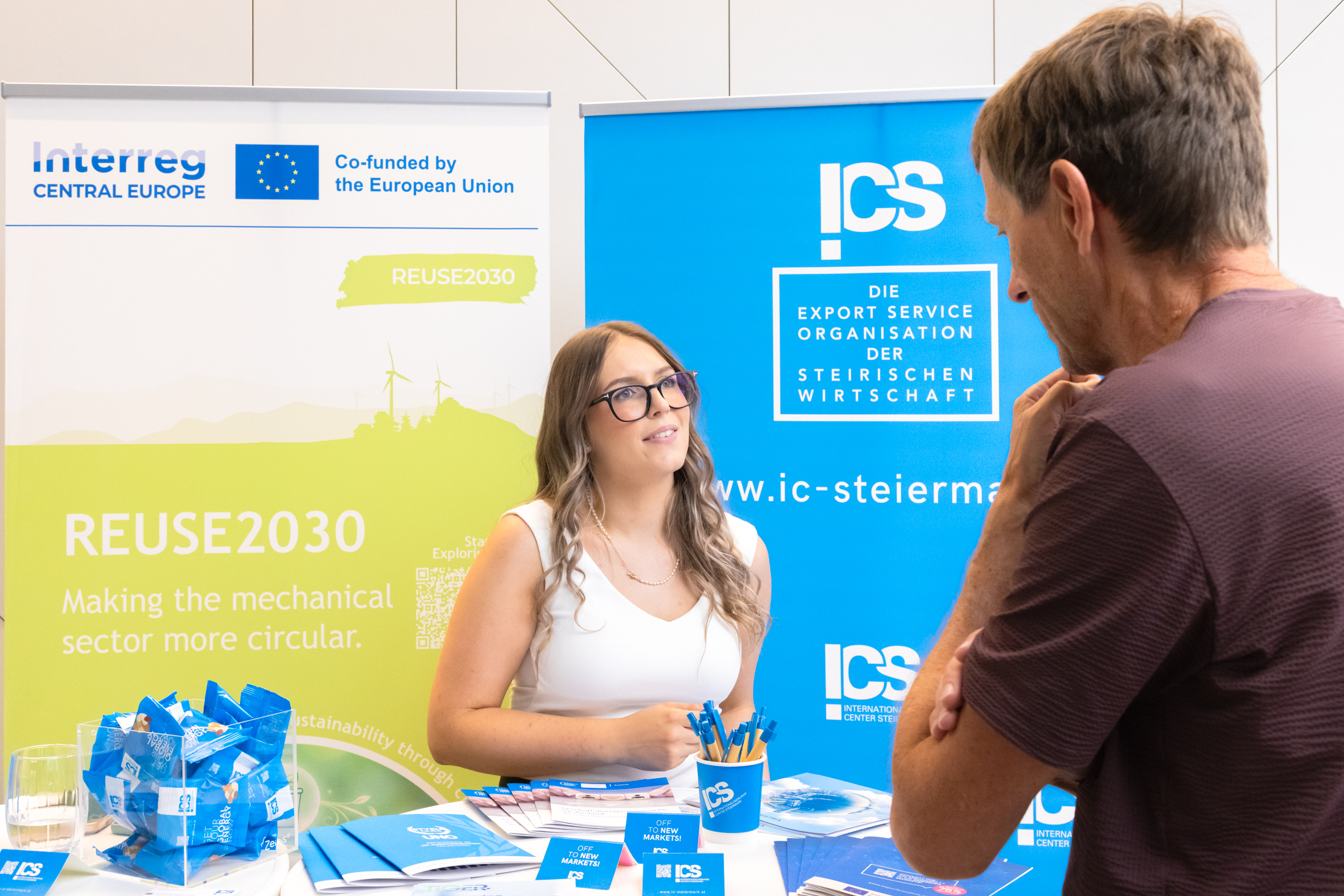
Market Entry in the Western Balkans: Choose Country and Project Logic First
Companies should not treat the Western Balkans as a uniform sales region. Serbia may be relevant as a larger production and business hub, while North Macedonia might prioritize infrastructure and green energy, Albania tourism, infrastructure, and renewable energy, or Montenegro investments in energy, environment, and tourism. Prioritization depends on one’s own offerings and the specific project pipeline.
EU approximation gradually brings more regulatory convergence, yet national rules, procurement practices, registration, taxes, and business culture remain country-specific. For public projects, companies should also clarify early on how tenders, financing, local partners, and reference requirements interact.
How ICS supports your entry into the Western Balkans
 29. November 2026
 Online

 Zagreb, Kroatien

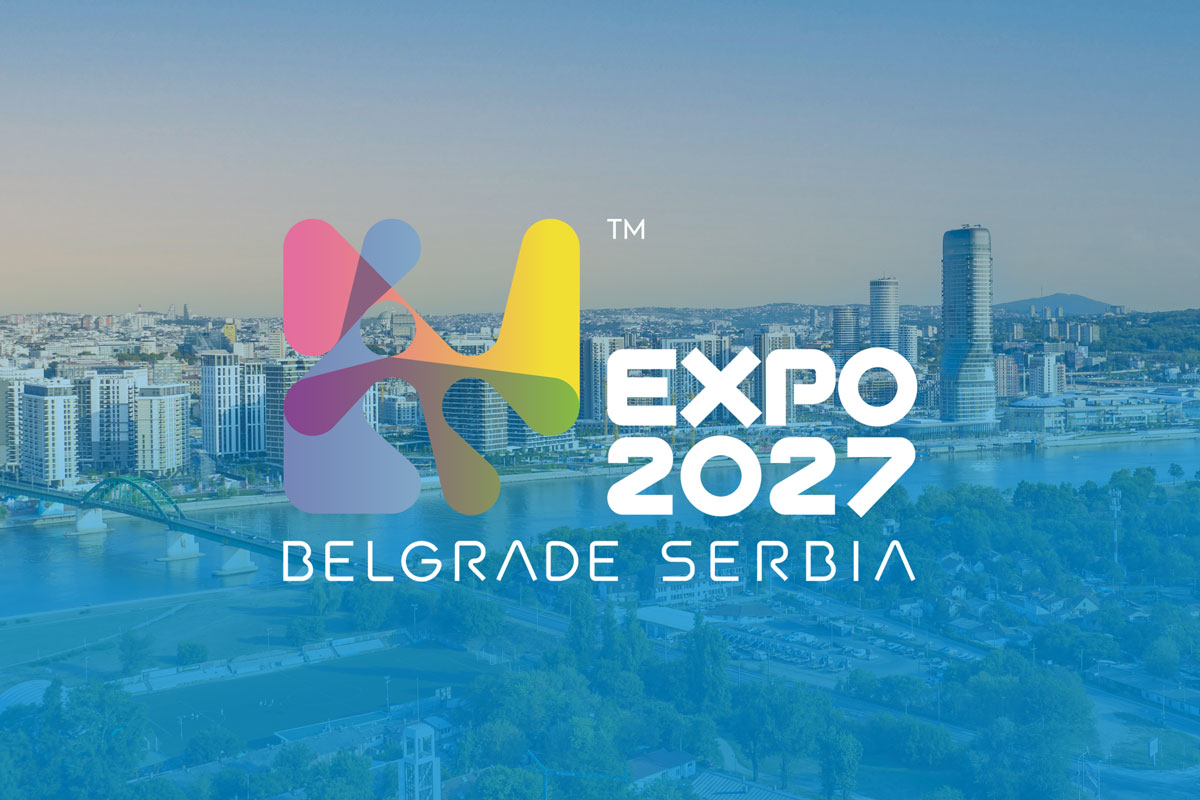
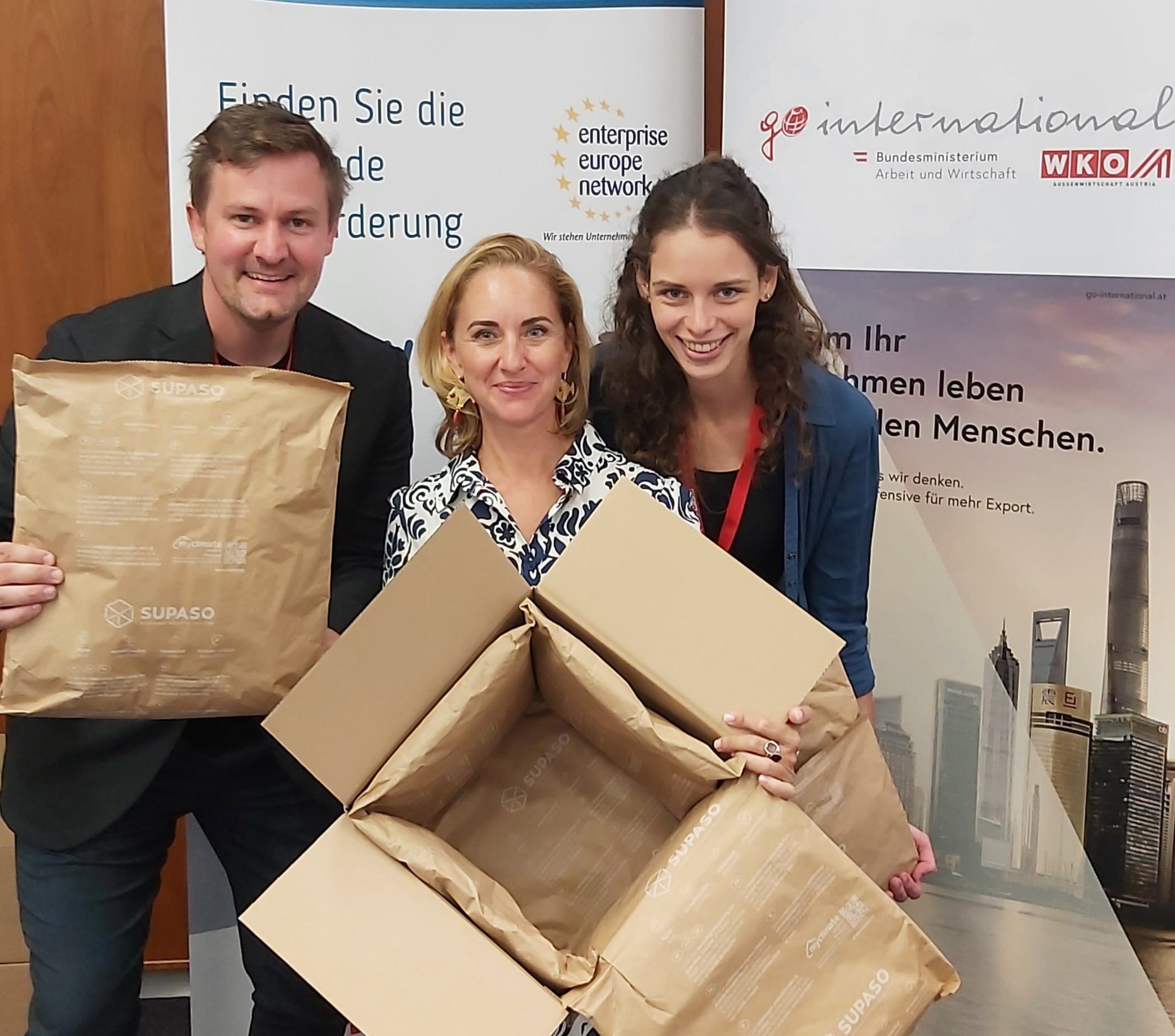
Competent Advice – Direct and Simple
Our expert provides reliable advice on all questions concerning the Western Balkans

Leonarda Bregovic
Junior Project Management

Frequently Asked Questions
In the EU context, the Western Balkans comprise Albania, Bosnia and Herzegovina, Kosovo, Montenegro, North Macedonia, and Serbia. For companies, it is important not to treat this region as a single market, but to examine opportunities and conditions per country.
Particularly relevant are infrastructure and construction, energy and green tech, industry and mechanical engineering, timber and materials, tourism, and selected food and health segments. Opportunities often arise through investment projects, modernization, and gradual alignment with EU standards.
Personal networks, local market partners, and qualified B2B contacts are particularly valuable. ICS supports the identification and preparation of relevant contacts through business missions, cooperation platforms, events, and the AUSSENWIRTSCHAFT AUSTRIA network.
EU integration promotes reforms, investments, and gradual alignment with EU standards. Nevertheless, national rules and implementation practices remain different. Companies should therefore combine opportunities from EU-funded or public projects with country-specific regulatory review.
The ICS Internationalization Center Styria supports Styrian companies in market entry and expansion in the region – with market information, consulting, networking, project and B2B formats, and business missions.